Barcelona is a city that pulses with life, culture, and a vibrant market scene. With over 40 markets scattered throughout the city — including the world-famous La Boqueria on La Rambla — you can find everything from fresh produce and artisanal cheeses to rare antiques and handmade crafts. These markets are not just places to shop; they are vibrant hubs of community life where locals and tourists alike come to experience the true essence of Barcelona.
2026 is a particularly exciting year to explore Barcelona’s markets. The city is commemorating the centenary of Antoni Gaudí’s death, drawing record numbers of cultural visitors — and many of the city’s markets are responding with special themed events, extended hours, and collaborations with local artisans celebrating Catalan heritage.
Whether you’re a foodie, a fashion enthusiast, a vintage collector, or simply looking to soak up the local atmosphere, Barcelona’s markets offer something for everyone. In this guide, we’ll explore the top markets in Barcelona, what to expect, and how to make the most of your visit in 2026.
| Market | Type | Best For | When to Visit |
|---|---|---|---|
| La Boqueria | Food market | Fresh produce, seafood, tapas | Mon–Sat, 8 am – 8:30 pm |
| Mercat de Sant Antoni | Food market | Budget-friendly local shopping | Weekdays; Sun for books & coins |
| Mercat de Sarrià | Food market | Artisanal goods, organic produce | Tue–Fri for full hours |
| Mercat de Santa Caterina | Food market | Breakfast, brunch, pastries | Mon–Sat, 7:30 am onwards |
| Mercat de la Concepció | Flower & food market | Flowers, plants, fresh produce | 24 hrs (flowers); food hours vary |
| Palo Alto Market Fest | Art & craft market | Local designers, street food, live music | Monthly (check website) |
| Pintors del Pi Market | Art market | Local paintings, handmade crafts | Weekends |
| Fira de Numismàtica | Specialty market | Rare coins, antique maps, vintage jewellery | Check schedule |
| Mercat dels Encants | Flea market | Antiques, bargains, live auctions | Mon, Wed, Fri, Sat, 9 am – 8 pm |
| Lost & Found Market | Flea / vintage market | Second-hand treasures, community spirit | Check website for dates |
| El Flea Market Barcelona | Flea / vintage market | Retro clothing, quirky antiques | Every 2 weeks, Sundays |
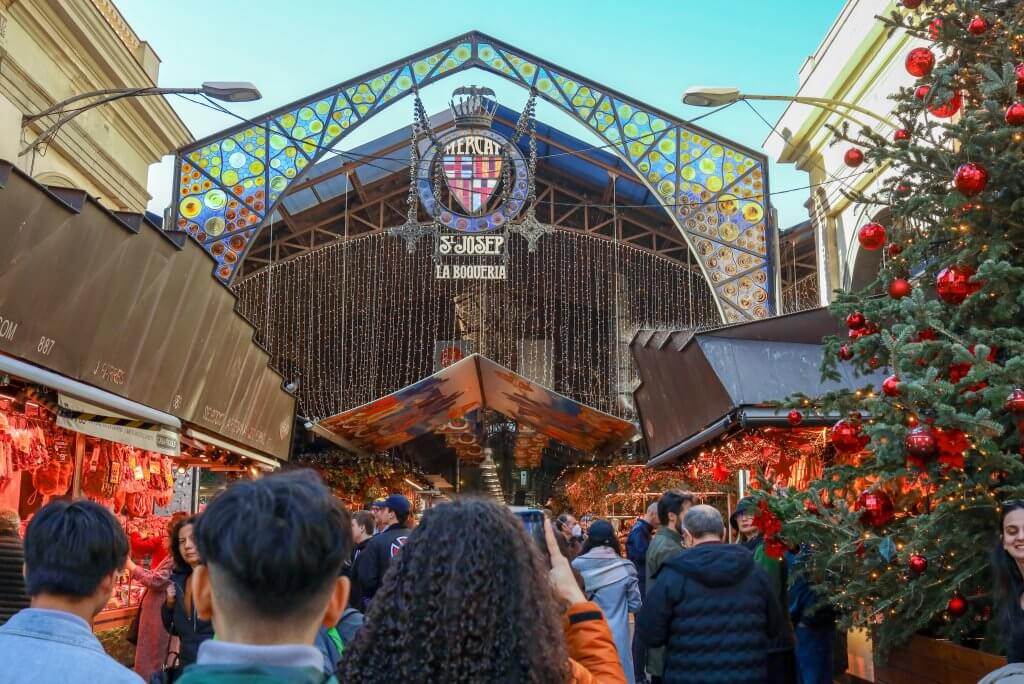
Located on La Rambla, La Boqueria is undoubtedly one of Barcelona’s most famous and bustling markets. The Mercat de la Boqueria dates back to the 13th century and remains an iconic food market known for its extensive variety of fresh produce and international delicacies.
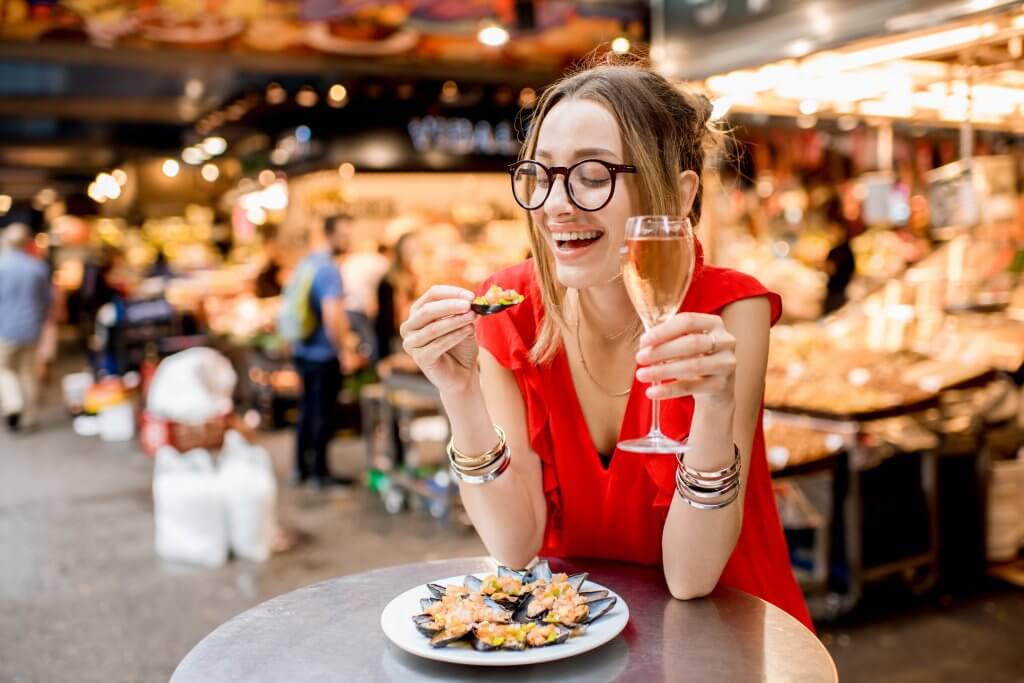
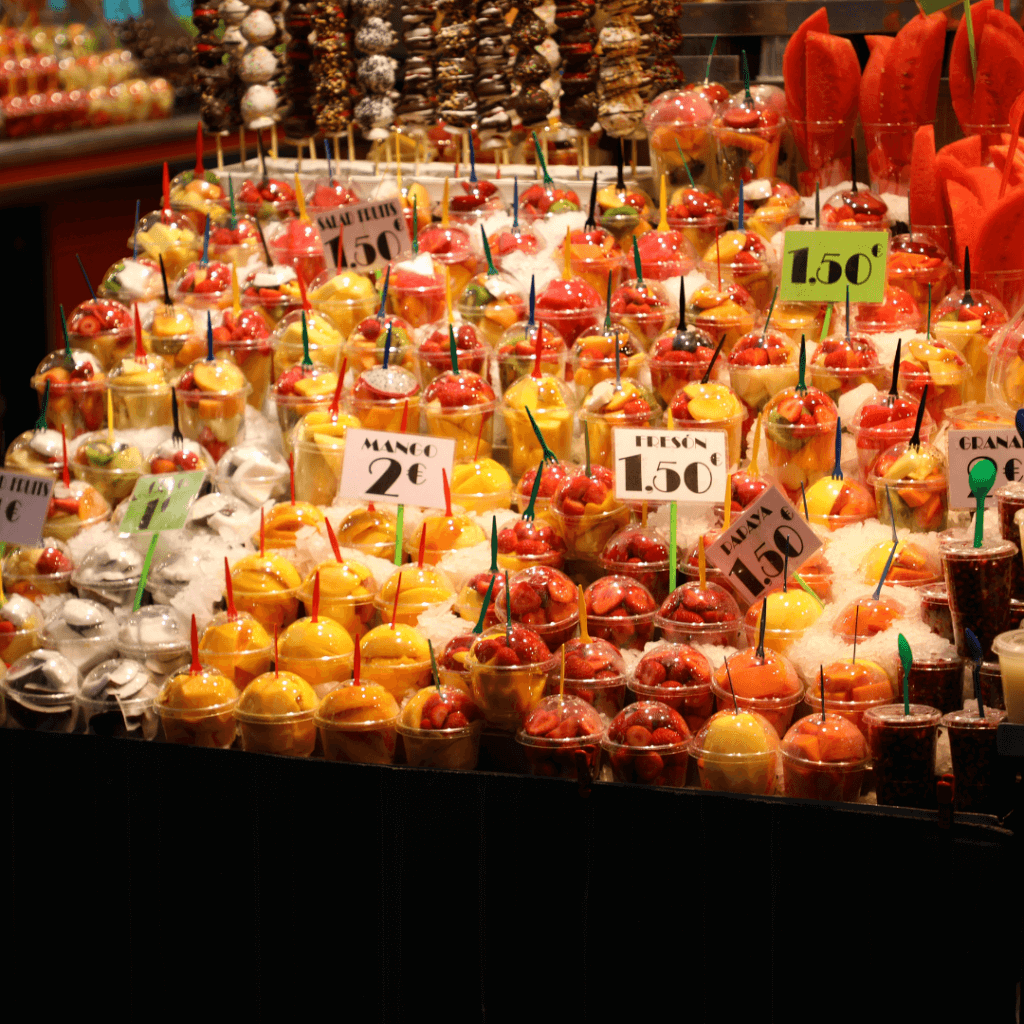
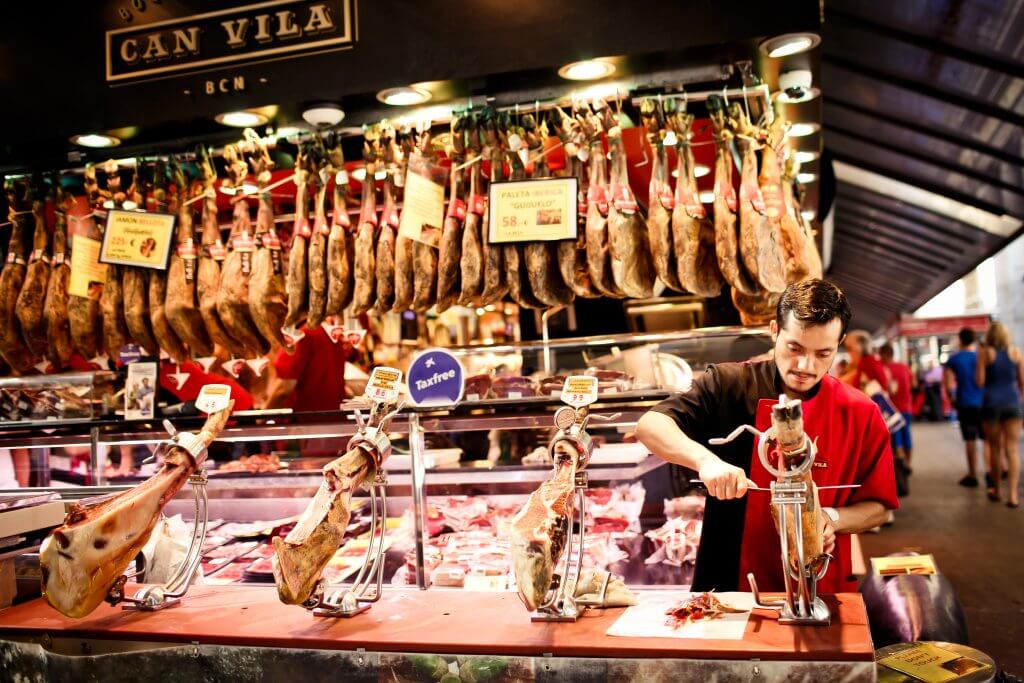
With over 300 stalls selling fresh produce, meats, seafood, and gourmet foods, it’s a paradise for food lovers. Local specialities to try include jamón ibérico (Iberian ham), fresh seafood tapas, artisanal cheeses, and freshly squeezed tropical fruit juices. Beloved stalls like Bar Pinotxo and El Quim de la Boquería continue to draw loyal regulars and curious first-time visitors alike.
Opening Hours: Monday to Saturday, 8 am – 8:30 pm. Closed Sundays.
Insider Tip: The main entrance is lined with “tourist stalls” offering pre-cut fruit cups and eye-catching displays. Walk further back into the market to find where the locals shop and eat — the quality is higher and the prices are better.
Getting There: Metro L3 (Liceu station) or bus services along La Rambla.
Recently renovated and reopened in its stunning original iron-framed building, Mercat de Sant Antoni is popular among locals for its vibrant atmosphere and excellent value. The market is divided into sections for fresh produce, meats, fish, and everyday goods.
Every Sunday, the market hosts a beloved book and coin market (the Mercat Dominical de Sant Antoni) that has been a Barcelona tradition for over a century — a must-visit for collectors and bibliophiles.
Opening Hours: Monday to Saturday, 8 am – 8:30 pm. Sunday book and coin market: 8:30 am – 2:30 pm.
Insider Tip: Visit on weekdays when it’s less crowded. Sant Antoni is widely considered one of the most affordable food markets in Barcelona, making it a favourite among budget-conscious locals.
Getting There: Metro L2 (Sant Antoni station).
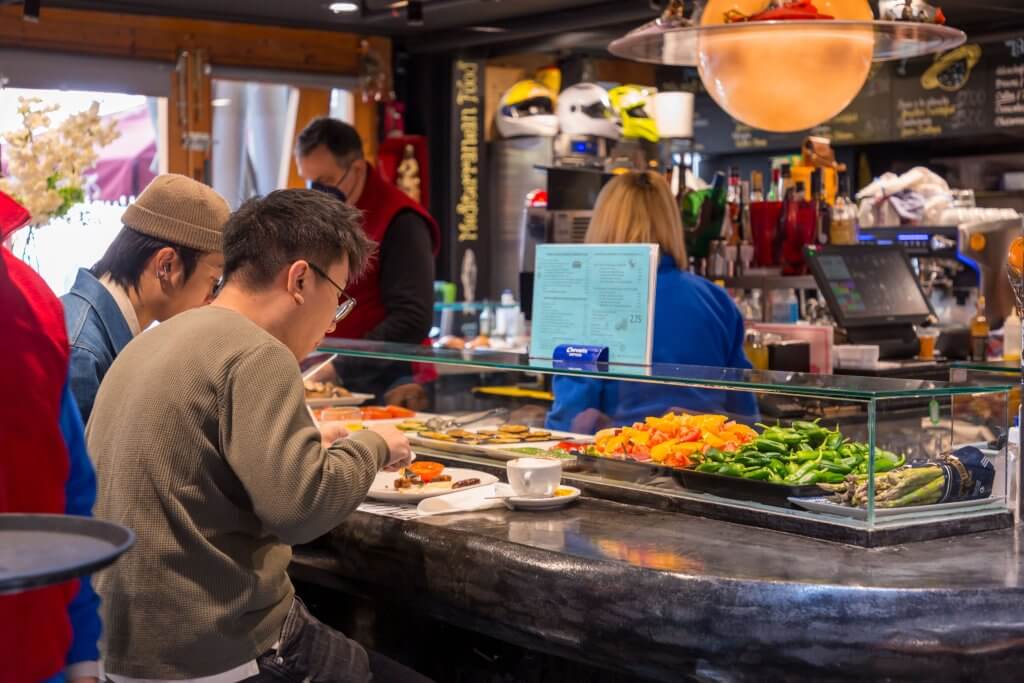
This charming market in the upscale Sarrià-Sant Gervasi neighbourhood offers a delightful selection of high-quality products. Known for its fresh seafood, organic produce, artisanal cheeses, and cured meats, Mercat de Sarrià is a local favourite with a friendly vibe that reflects traditional Catalan culture.
The market feels worlds away from the tourist crowds in the city centre — perfect for travellers seeking an authentic neighbourhood experience.
Opening Hours: Monday 7:30 am – 3 pm; Tuesday to Friday 8 am – 8 pm; Saturday 7:30 am – 3 pm. Closed Sundays.
Getting There: Metro L12 (Sarrià station).
Known for its stunning, colourful undulating roof designed by Enric Miralles and Benedetta Tagliabue, Santa Caterina Market is far less touristy than La Boqueria but equally rewarding. The market offers a mix of traditional food stalls and modern eateries, making it a favourite among architecture lovers and foodies alike.
Santa Caterina also hosts an annual food festival in October, celebrating seasonal Catalan cuisine with special tastings and cooking demonstrations.
Opening Hours: Monday to Saturday from 7:30 am onwards; closing times vary by day.
Insider Tip: Visit for breakfast or brunch to enjoy freshly made pastries, juices, and local coffee. The surrounding streets of the Sant Pere neighbourhood are also worth exploring.
Getting There: Metro L4 (Jaume I station).
Held in a trendy industrial space in Poblenou, this monthly market showcases local designers and artisans.
Creative Vibe: Features handmade crafts, vintage clothing, and street food from local vendors.
Live Music: Enjoy live performances while you shop.
Tip: Check their website for event dates and ticket information.
Getting there: Palo Alto: Metro L4
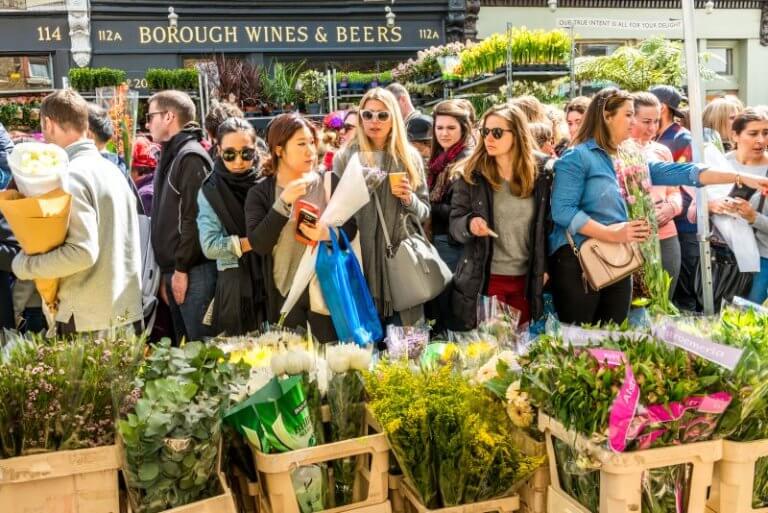
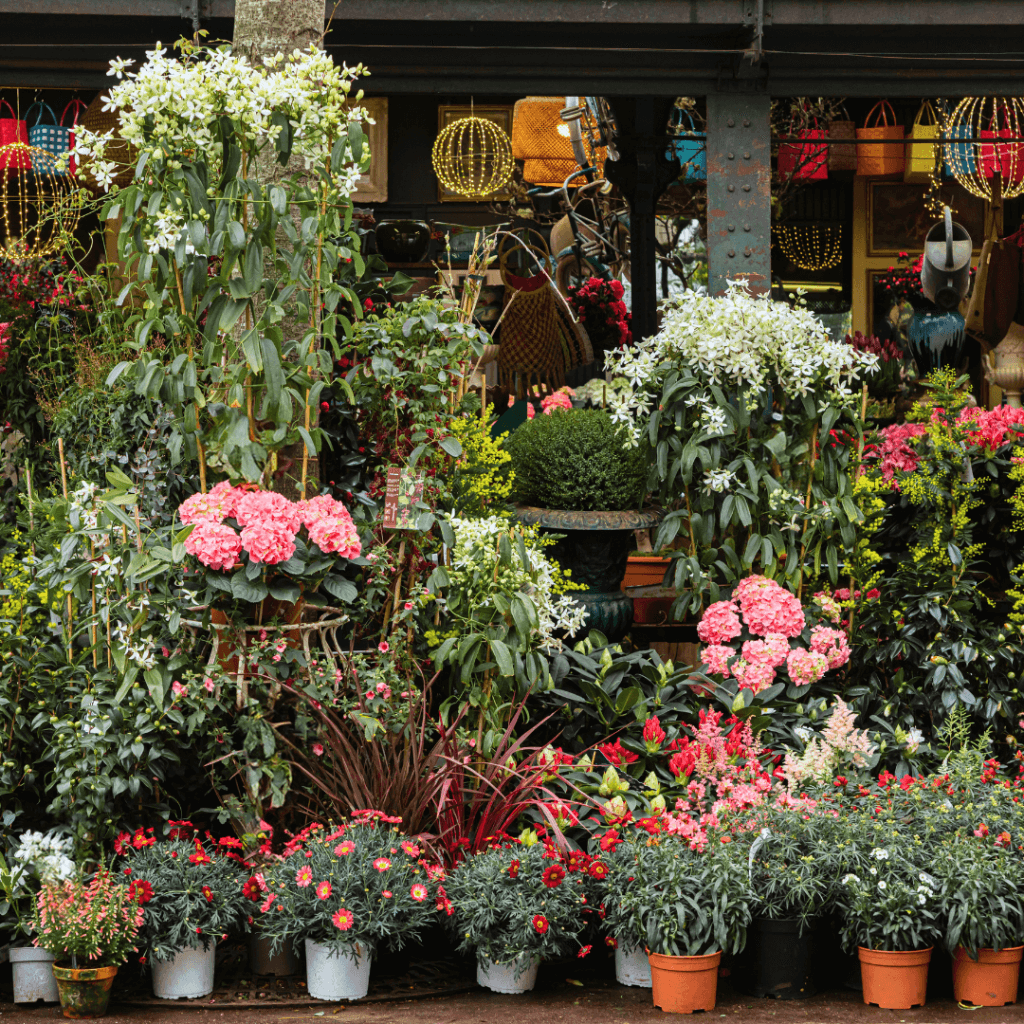
Known primarily as a flower market, this beautiful space also offers fresh produce and local crafts.
Floral Paradise: A haven for gardeners with an array of flowers and plants.
Food Offerings: Fresh fruits and vegetables alongside local delicacies.
Opening Hours: Open 24 hours for flowers; food market hours vary.
Getting there: Mercat de la Concepció: Accessible via metro (Passeig de Gracia station).
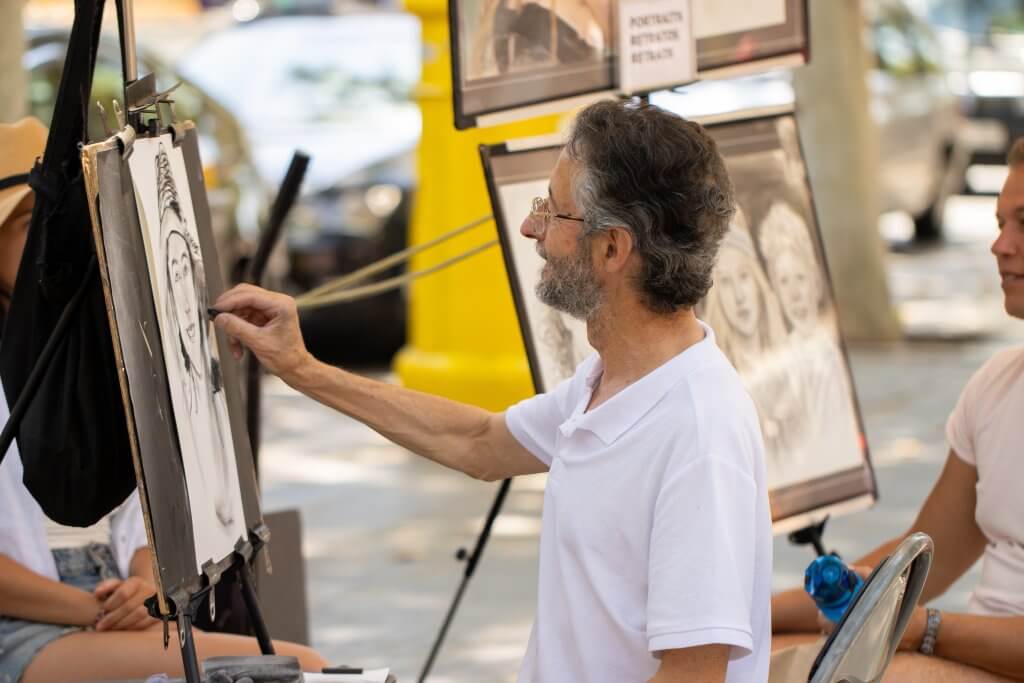
Located in the heart of Barcelona, the Pintors del Pi Market is a vibrant showcase of local artistic talent.
Local painters: Set against the backdrop of historic architecture, this market offers a diverse array of handmade crafts and unique artworks created by local painters.
Arts: Visitors can explore stalls filled with intricate pottery, original jewelry, and colorful textiles, all crafted with meticulous care. Live painting sessions and artistic demonstrations add to the creative atmosphere, providing insight into Barcelona’s thriving art scene.
Getting there: Placa del Pi: Metro L 3
Situated in a bustling district of Barcelona, the Fira de Nautumismo captures the essence of the city’s rich cultural heritage.
Local crafts: This market specializes in numismatic treasures, showcasing rare coins and ancient artifacts from various civilizations. Beyond numismatics, the market also features vintage jewelry, antique maps, and historical curiosities, offering a glimpse into Barcelona’s past through tangible artifacts.
Getting there: Fira de Nautumismo: Placa Reial Metro L 3
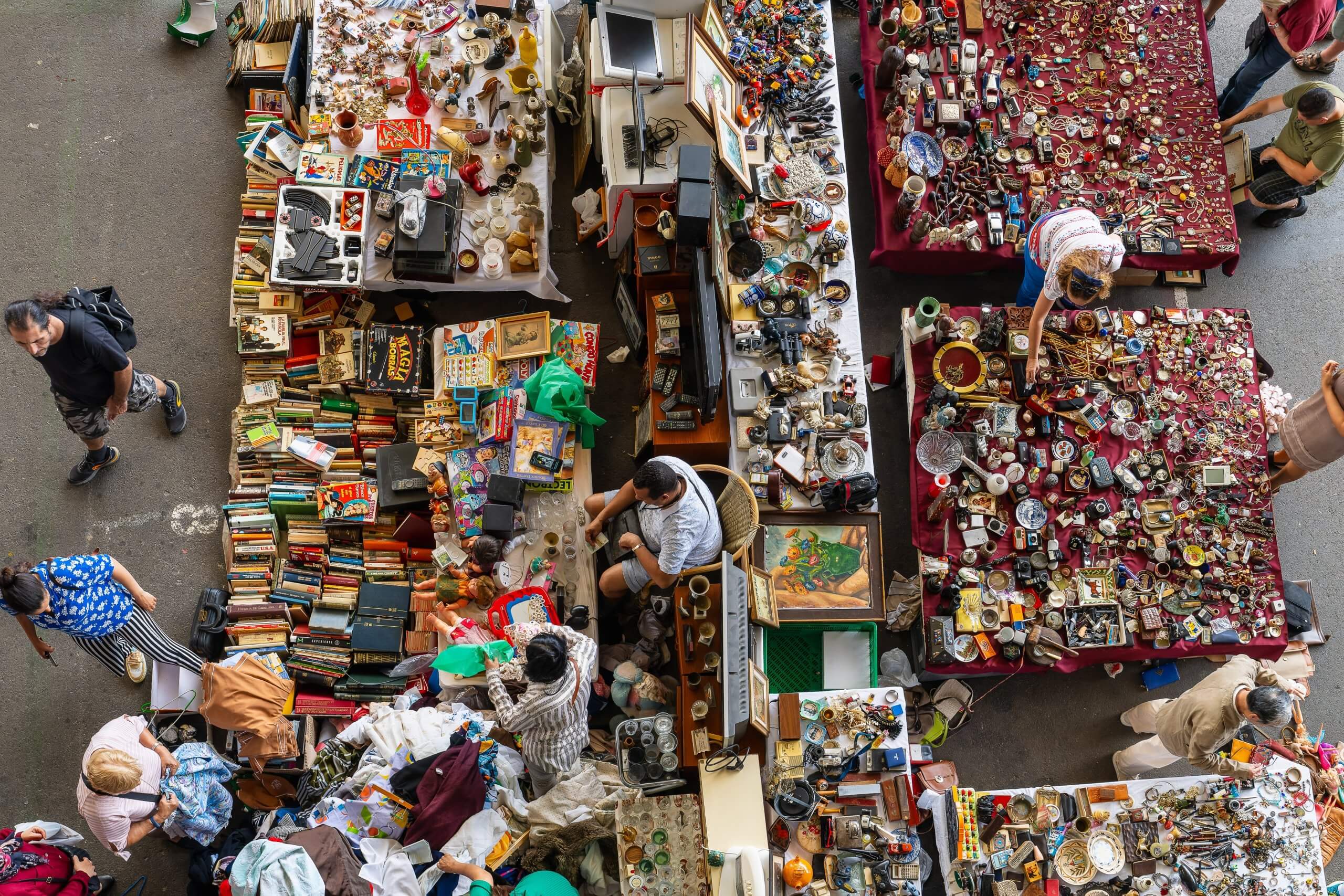
One of Europe’s oldest flea markets with a history dating back to the 14th century.
Diverse Offerings: Browse antiques, collectibles, second-hand goods, and even new items at bargain prices.
Unique Experience: The lively atmosphere includes live auctions on select days.
Opening Hours: Mondays, Wednesdays, Fridays, and Saturdays from 9 am to 8 pm.
Getting there: Mercat dels Encants: Metro L1
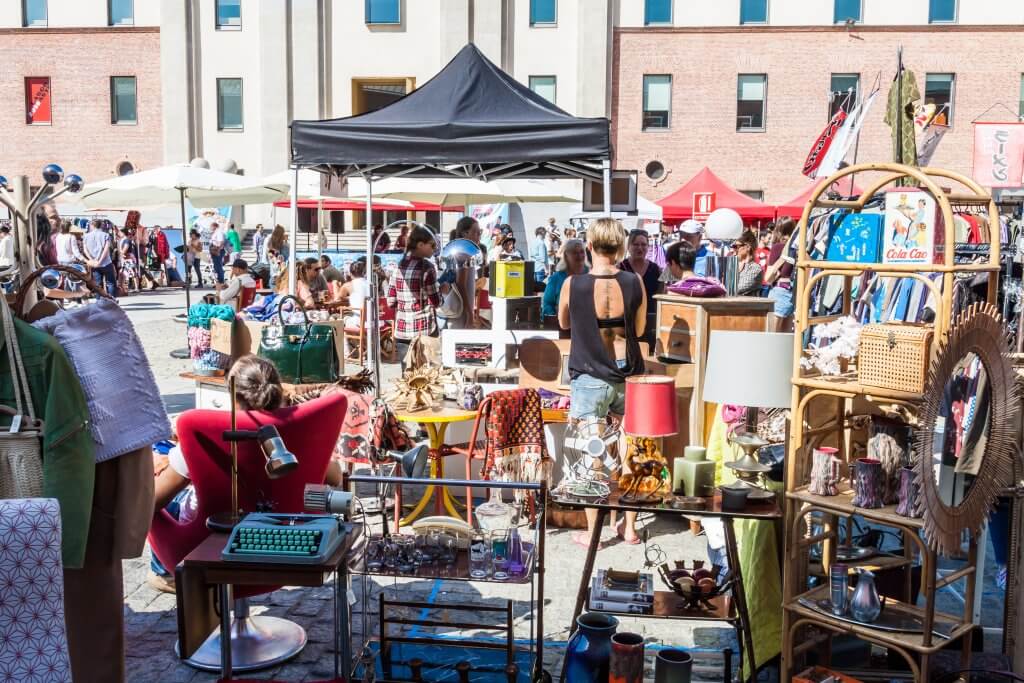
A unique second-hand market where you can buy or exchange vintage items.
Community Spirit: Encourages locals to bring their unwanted items for others to discover treasures.
Location: Often held near Barceloneta Beach; check their website for upcoming events.
Getting there: Lost & Found: Plaça del Mar Metro L4
Nestled in the eclectic El Raval neighborhood, El Flea Market Barcelona is a lively hub of vintage finds and artistic expression.
When: Held regularly every 2 weeks on Sundays, this market transforms the streets with its bohemian charm and diverse offerings.
Second Hand: Visitors can meander through stalls brimming with retro clothing, quirky antiques, and unique collectibles sourced from local vendors and international artisans alike. Whether searching for one-of-a-kind fashion pieces or seeking inspiration from the city’s cultural tapestry, El Flea Market Barcelona promises a memorable experience.
Getting there: El Flea: Drassanes L3
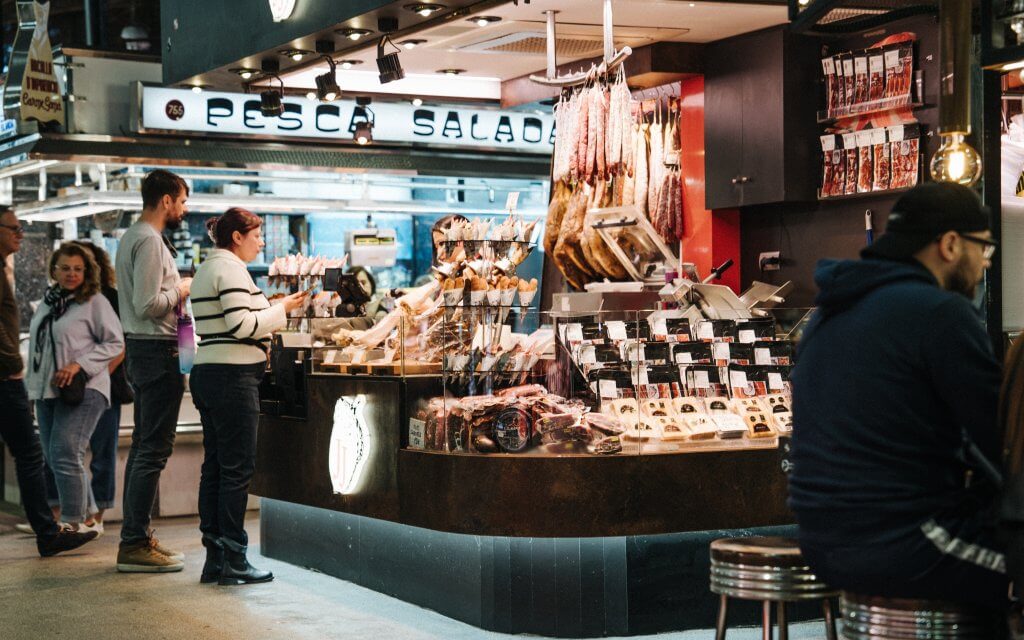
When visiting markets in Barcelona, a few simple courtesies go a long way. Be respectful of vendors and fellow shoppers — markets can get busy, especially on weekends. Try to speak some basic Spanish or Catalan phrases as a sign of appreciation for the local culture; vendors genuinely appreciate the effort, even if they speak English too. Don’t touch produce or products without asking permission first. And at flea markets, don’t be afraid to haggle — polite bargaining is expected and part of the fun.
Many of Barcelona’s markets host special events and seasonal celebrations throughout the year. La Boqueria regularly features food festivals celebrating local Catalan cuisine, with special events expected during the 2026 Gaudí centenary celebrations. Mercat de la Concepció hosts its much-loved flower festival every May, transforming the surrounding streets into a floral wonderland. Mercat de Santa Caterina holds an annual food festival in October, spotlighting seasonal autumn ingredients. And the Palo Alto Market Fest continues to expand its monthly programme with new sustainability initiatives and collaborations with Barcelona’s creative community.
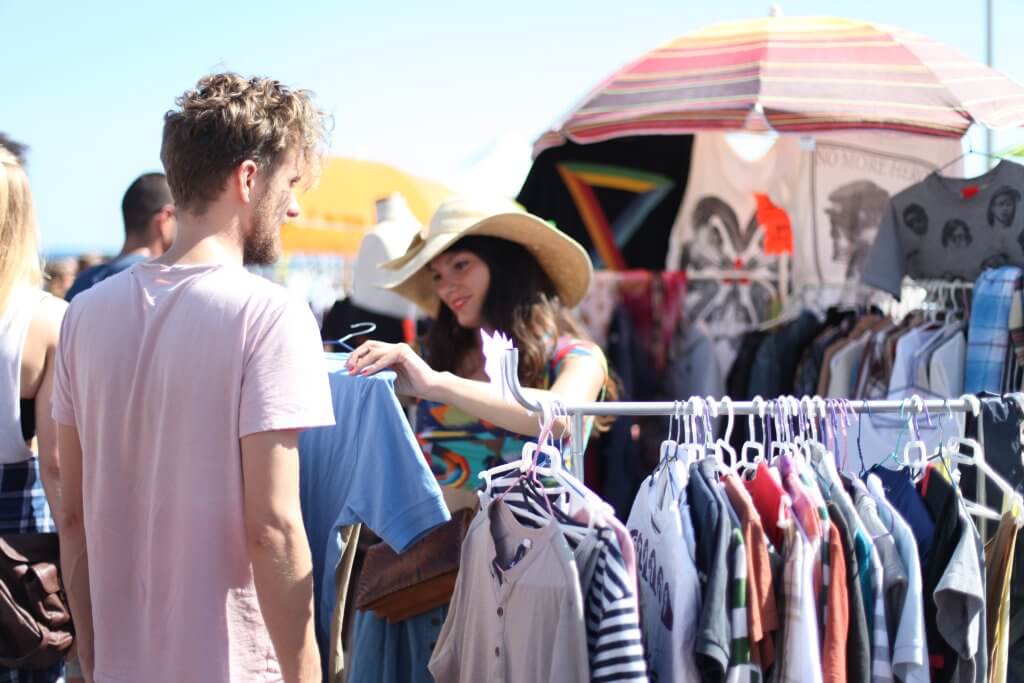
To get the most out of Barcelona’s markets, keep a few things in mind. Try to avoid visiting during peak tourist season (June to August) for a more authentic, less crowded experience — early morning visits are always best. Bring cash, as not all vendors accept credit cards, especially at flea markets and smaller stalls. Don’t hesitate to try new foods; many stalls offer free samples, and that’s part of the joy of market shopping. Bring your own reusable bag to reduce waste while shopping — Barcelona takes sustainability seriously, and many markets are reducing single-use plastics.
If you’re planning to combine your market visits with Barcelona’s top sightseeing attractions, consider the Barcelona City Pass for skip-the-line access and savings across the city’s major landmarks.
What are the best times to visit Barcelona’s markets?
For a more relaxed experience, visit early in the morning (before 10 am) or late afternoon when crowds thin out. Weekdays are generally much less busy than weekends, particularly at popular markets like La Boqueria.
Which Barcelona market has the best fresh food?
La Boqueria Market is widely regarded as the best market for fresh food in Barcelona. Located on Las Ramblas, it offers a stunning variety of fresh produce, seafood, meats, cheeses, and more. Don’t miss trying the fresh fruit juices or tapas at popular spots like Bar Pinotxo or El Quim de la Boquería.
Which is the cheapest Barcelona food market?
For budget-friendly shopping, Mercat de Sant Antoni is a great option. Known for its fresh produce, meats, and seafood, it offers high-quality goods at more affordable prices compared to the more touristy markets like La Boqueria. Additionally, smaller neighbourhood markets such as Mercat del Ninot and the La Barceloneta market often have competitive prices for fruits and vegetables.
Are there any flea markets in Barcelona?
Yes — Barcelona has several excellent flea markets. Mercat dels Encants is the largest and most famous, dating back to the 14th century and open four days a week. El Flea Market Barcelona in El Raval runs every two weeks on Sundays, and the Lost & Found Market near Barceloneta Beach is a popular second-hand and vintage event.
Is it necessary to speak Spanish when visiting these markets?
While it helps to know some basic phrases in Spanish or Catalan, many vendors in Barcelona’s markets understand and speak English, especially at the more tourist-frequented locations. A few words of Catalan — like “gràcies” (thank you) or “bon dia” (good morning) — are always warmly received.
What is the oldest market in Barcelona?
Mercat dels Encants (Fira de Bellcaire) is one of the oldest markets in Barcelona — and in Europe — with roots dating back to the 14th century. La Boqueria also has deep historical roots, with records of a market on the La Rambla site since the 13th century.
Can I pay by card at Barcelona markets?
Most established food market stalls now accept card payments, but many flea market vendors, art sellers, and smaller stalls still prefer cash. It’s a good idea to carry some euros with you, especially if you plan to visit flea markets or craft fairs.