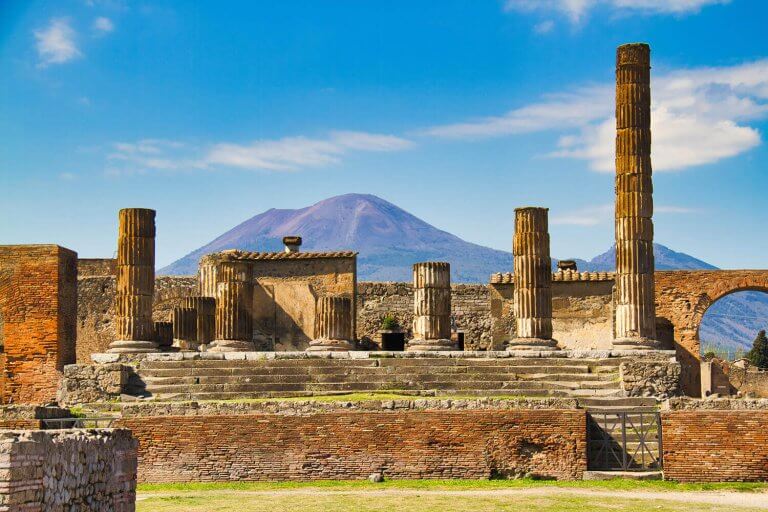
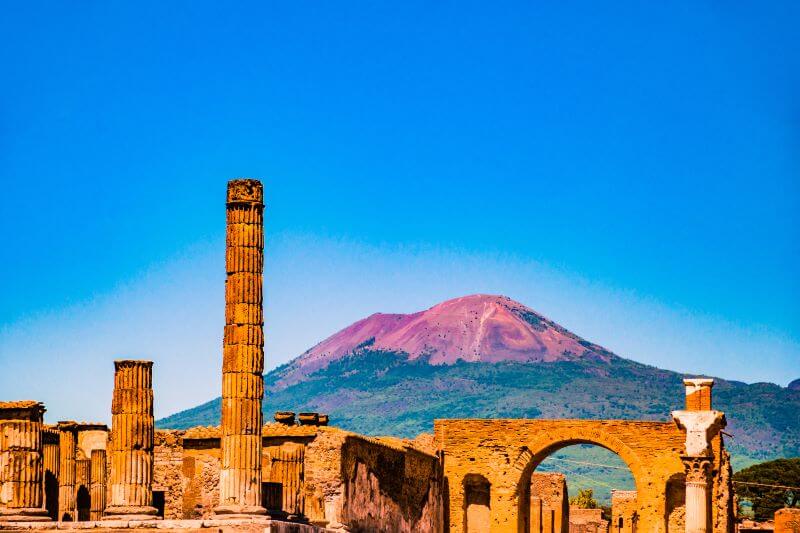
Standing majestically over the Bay of Naples, Mount Vesuvius is not just any volcano – it’s perhaps the most famous and formidable in Europe. This iconic stratovolcano has shaped both the physical landscape and historical narrative of southern Italy, most notably when Mount Vesuvius erupted in 79 AD, burying the Roman cities of Pompeii and Herculaneum and marking a significant event in the ancient world. It is also the only volcano in mainland Europe to have erupted in the last century, underscoring its unique status and ongoing geological activity.
Today, Mount Vesuvius sits within its namesake national park, offering intrepid travellers a rare opportunity to hike to the rim of an active volcano. At 1,281 metres (4203 feet) high, the volcano presents visitors with breathtaking panoramic views stretching across the azure waters of the Bay of Naples, with the islands of Capri and Ischia visible on clear days.
Despite its current dormant state (the last eruption occurred in 1944), Mount Vesuvius remains one of the world’s most dangerous volcanoes due to its proximity to Naples – a city of nearly 3 million people. The area surrounding the volcano is known as the danger zone, where the risk of volcanic activity poses a significant threat to residents and visitors. The eruptions of Mount Vesuvius, including the catastrophic 79 AD eruption and more recent ones, highlight the ongoing risk it poses to surrounding communities. This combination of natural beauty, historical significance, and the thrill of standing atop a sleeping giant makes Vesuvius an unmissable experience when visiting the Naples region.
Whether you can visit the crater depends very much on the weather – however, it is advisable to attempt the hike in the less frequented months, i.e. in the low season or in winter. It is simply much less crowded then …
Utilizing public transport is a practical way to reach Mount Vesuvius from nearby cities like Naples and Sorrento. Options include trains and buses, and it’s advisable to purchase tickets in advance. Organized tours are also available for those who prefer not to navigate public transport themselves. Reaching Mount Vesuvius from Naples is straightforward, with several convenient options:
Take the Circumvesuviana train on the Naples–Sorrento line from Napoli Porta Nolana or Napoli Garibaldi to Ercolano Scavi (about 20 minutes from Naples).
From Ercolano Scavi, take the Vesuvio Express shuttle bus, which runs directly to the Vesuvius parking area at around 1,000 metres and the Gran Cono trailhead.
Frequency: Trains run roughly every 20–30 minutes; shuttles generally coordinate with train arrivals in high season.
Total journey time: Around 1 hour from central Naples.
A dedicated EAV Napoli–Vesuvio bus currently operates from Piazza Piedigrotta in Naples but with limited departures (commonly around 9:00 and 10:15 up, and early afternoon returns).
Journey time is approximately 1–1.5 hours depending on traffic.
As schedules can change, always check current timetables on the EAV or local tourist information websites before travel.
From Pompeii, the most important connection is the EAV 808 “Pompei – Vesuvio” bus, which goes directly to the parking area at 1,000 metres (Quota 1000). This is a convenient option if you are combining Pompeii and Vesuvius in one day.
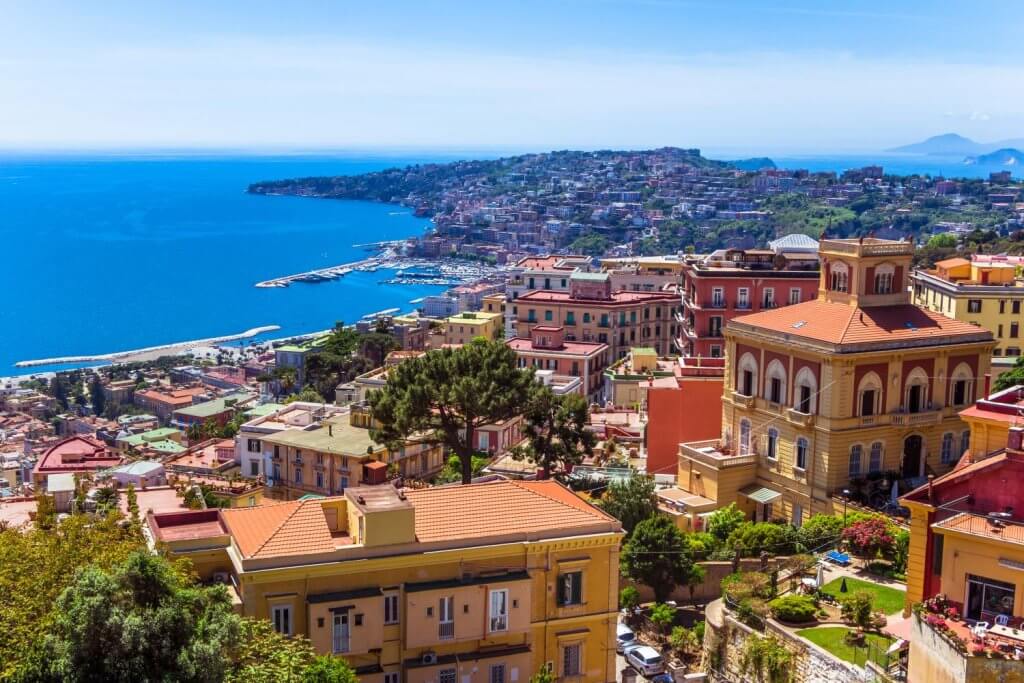
Numerous tour operators in Naples offer half-day excursions to Mount Vesuvius, often combined with Pompeii visits.
Cost: €35-50 per person (typically includes transportation and entrance fee)
Booking: Available through most hotels in Naples or online travel platforms
If you prefer to drive, take the A3 motorway from Naples, exit at Ercolano-Portici, and follow signs to “Vesuvio” along the SP 114 road.
Parking: Visitors must leave their cars at the lower parking lot while only buses and tours can access the higher parking lot. Booking parking spots in advance is recommended due to the popularity of the site.
Duration: Approximately 30 minutes from central Naples
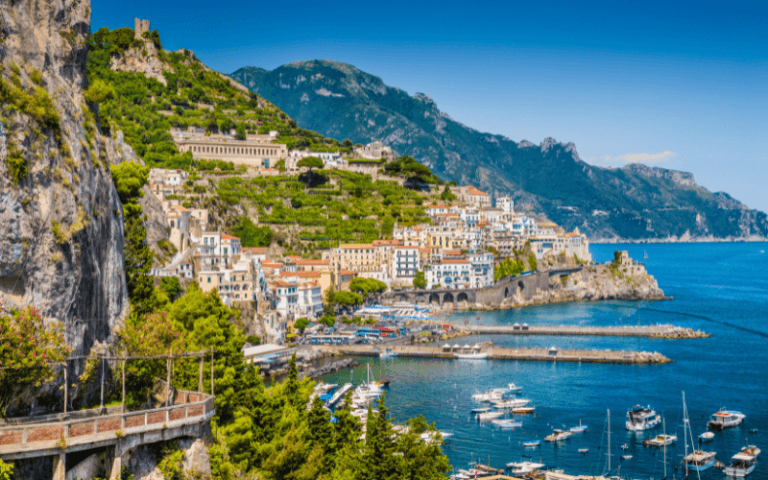
Many visitors also choose to combine their trip to Vesuvius with a visit to the Amalfi Coast, a popular nearby destination known for its stunning scenery and charming coastal towns.
· April-October: 9:00 AM-5:45 PM
· November-March: 9:00 AM-4:00 PM
· Last entry: 2 hours before closing
Adults: €11.68
Children (aged 6-17): €8
Children under 6: Free
Vesuvius National Park Office: +39 081 775 2900
Website: www.parconazionaledelvesuvio.it
The Vesuvius Observatory (Osservatorio Vesuviano) in Ercolano offers fascinating exhibits on the volcano’s history and current monitoring systems. Consider visiting before your hike to gain a deeper appreciation of this natural wonder. For the most accurate and comprehensive information, especially regarding longer hiking routes, check the official site.
Address: Via Osservatorio, 80056 Ercolano, Naples
Opening Hours: Tuesday-Sunday, 9:30 AM-2:00 PM
Entrance Fee: €5
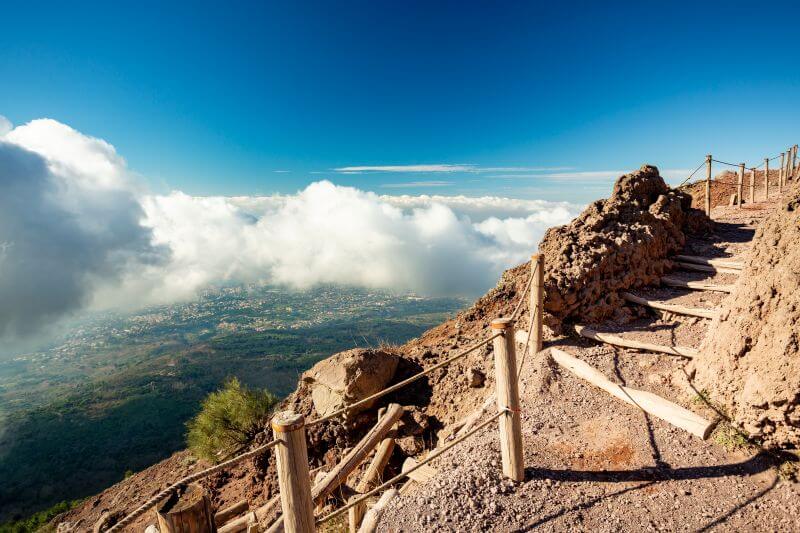
The Gran Cono Trail is the primary route to the crater rim and offers a moderately challenging hike suitable for most fitness levels. The trail winds along a zigzag path of volcanic ash and gravel, gradually ascending to the crater’s edge.
Trail Details:
Length: Approximately 4 km (2.5 miles) round trip
Duration: 1.5-2 hours (round trip)
Difficulty: Moderate – suitable for anyone with basic fitness
Elevation Gain: About 200 metres from the car park to the crater rim
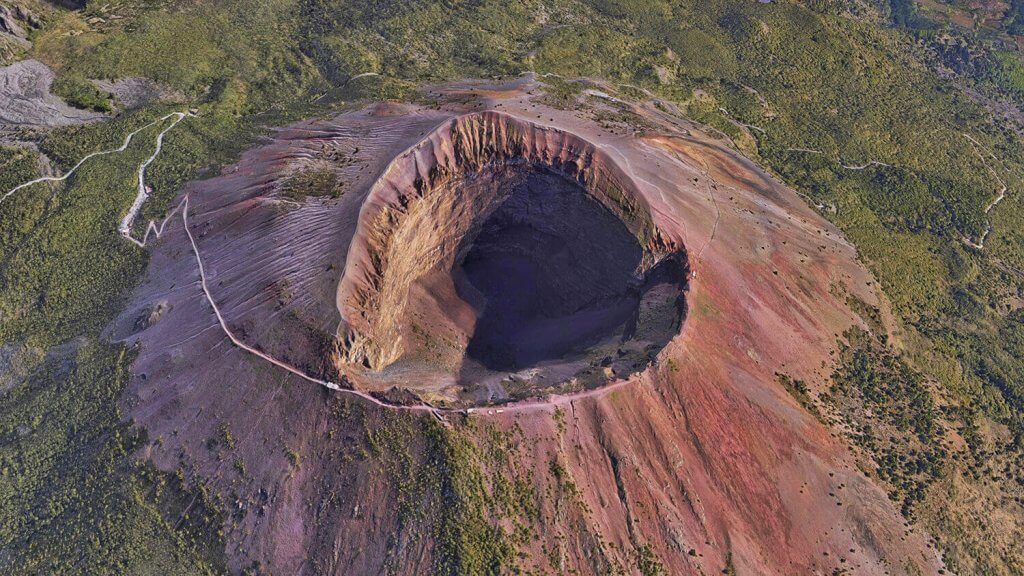
The trail begins at the parking area (altitude approximately 1,000 metres) and takes you to the crater rim at 1,281 metres. Along the way, you’ll traverse terrain formed by centuries of volcanic activity, with striking black lava rocks contrasting against patches of pioneering vegetation that have reclaimed parts of the slopes.
As you climb, informational signs detail the volcano’s geological features and eruption history. Near the crater, you might notice small fumaroles – vents releasing steam and volcanic gases – a reminder that Vesuvius is merely sleeping, not extinct.
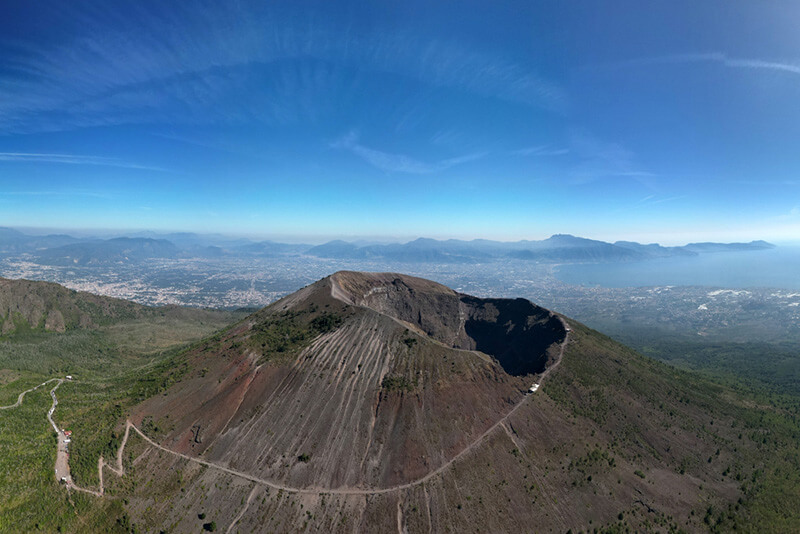
The final portion of the trail leads to the crater rim, where you’ll be rewarded with a dramatic view into the massive caldera, approximately 300 metres deep and 650 metres wide.
For a comfortable and safe hike, be sure to pack:
Sturdy walking shoes with good grip (the trail is gravelly and can be slippery)
Water bottle (at least 1 litre per person)
Sun protection (hat, sunscreen, sunglasses)
Light jacket or windbreaker (the summit can be significantly cooler and windier)
Camera (the views are truly spectacular)
Small backpack for your belongings
Snacks for energy during the hike
While Mount Vesuvius has been dormant since 1944, it remains an active volcano requiring appropriate respect and caution:
Current Status: The volcano is continuously monitored by the Vesuvius Observatory. Park authorities will close access if there are any signs of increased activity.
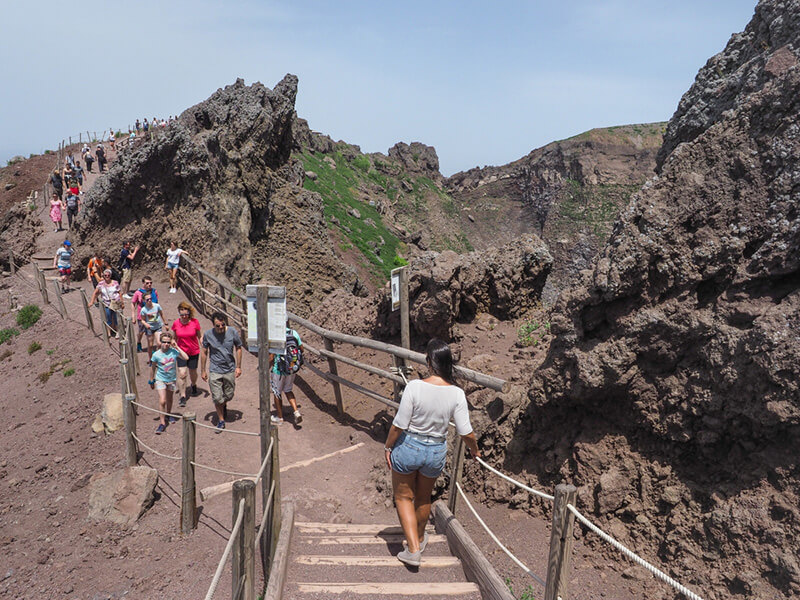
Trail Conditions: The path can be dusty and slippery due to loose volcanic gravel. Walking poles may be helpful for those with balance concerns. Please be aware that this hike – due to the conditions of the path – is not suited for people with mobility disabilities and small children.
Weather Considerations: Check the forecast before visiting. The summit is exposed and can experience strong winds, fog, or sudden weather changes. During summer, start your hike early to avoid the midday heat.
Essential Safety Guidelines
Stay on marked trails at all times
Do not attempt to enter the crater or cross any safety barriers
Keep a safe distance from the crater’s edge to avoid falls
Follow all instructions from park rangers and guides
Be aware of falling rocks, particularly on steeper sections
Check the official website or call ahead before visiting to ensure the park is open
Avoid wearing flip flops as they do not provide the necessary grip or ankle support. Instead, opt for shoes with good grip or ankle support to ensure safety and comfort.
In case of emergency, contact the park rangers at designated stations along the trail or call the emergency number: 112.

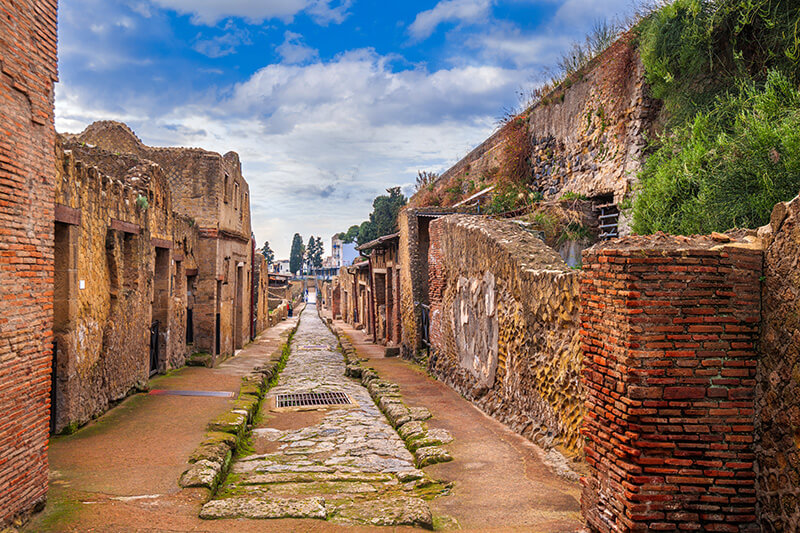
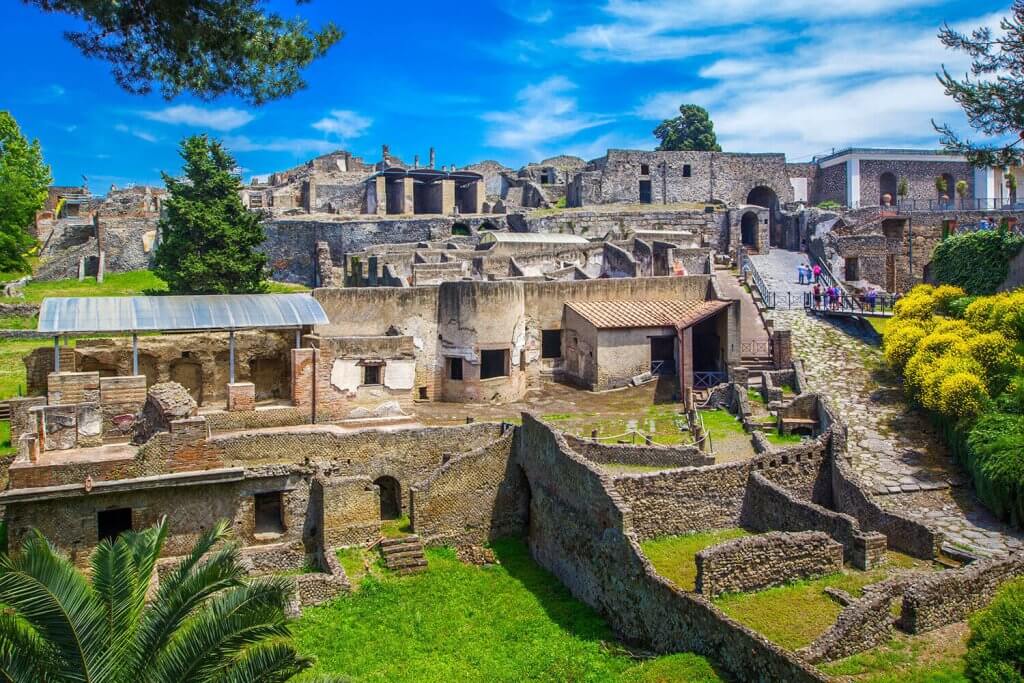
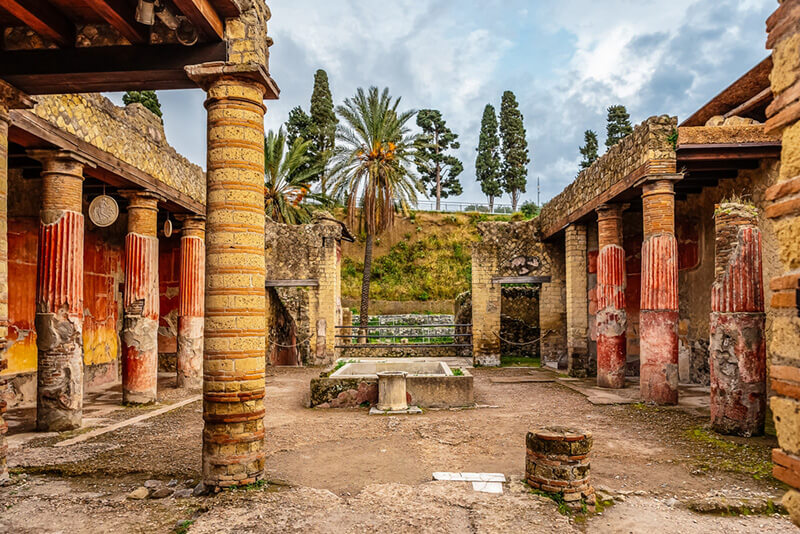
Mount Vesuvius has shaped the region’s landscape and history for thousands of years. The most infamous eruption occurred in 79 AD, when the volcano erupted, and pyroclastic flows and ash buried the Roman cities of Pompeii and Herculaneum, preserving them as archaeological time capsules. Visiting Pompeii allows travelers to witness firsthand the effects of the eruption and the remarkable preservation of ancient life, including the casts of those who perished during the disaster.
Since then, Vesuvius has erupted more than 30 times, with significant events recorded in:
472 AD (ash reached Constantinople)
1631 (killed approximately 4,000 people)
1794 (destroyed the town of Torre del Greco)
1906 (major eruption causing extensive damage)
1944 (the last eruption, which destroyed several villages and a US bomber fleet)
These violent eruptions have had a devastating impact on the local population, shaping both the landscape and the lives of those living nearby over the centuries.
The volcano’s structure has changed dramatically over time. The current cone (Gran Cono) formed within the caldera of an older and larger volcano (Monte Somma), whose semicircular ridge is still visible on the northern side.
Discovering the Crater
Reaching the crater rim is the highlight of the Vesuvius experience. Here, you can walk approximately one-third of the way around the crater’s edge, with several viewpoints offering different perspectives into the caldera.
What You’ll See:
The massive crater bowl with steep, mineral-streaked walls
Small fumaroles releasing wisps of steam
Pioneering vegetation gradually reclaiming areas of the inner crater
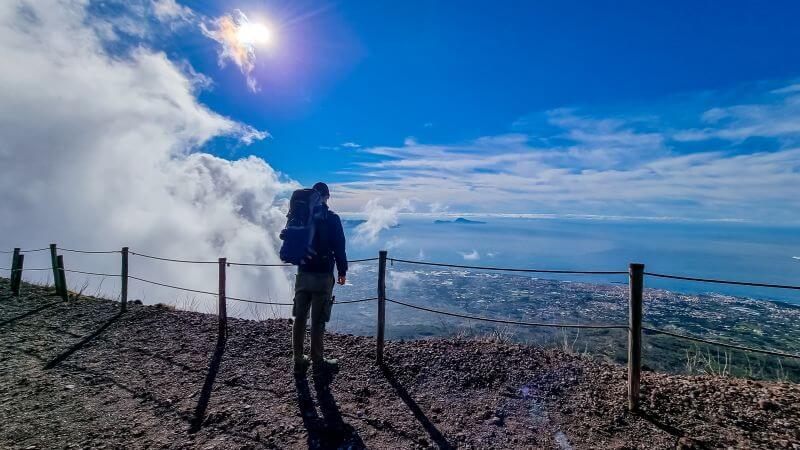
Panoramic views of the entire Bay of Naples, Sorrento Peninsula, and (on clear days) the islands of Capri, Ischia, and Procida
Guided Tours: For a deeper understanding, consider hiring an official guide at the park entrance (approximately €10 per person). These knowledgeable volcanologists can explain the geological features and history in detail.

Naples offers the widest range of accommodation options and makes an excellent base for your Vesuvius adventure:
Grand Hotel Vesuvio
Address: Via Partenope, 45, 80121 Naples
Price Range: €250-400 per night
Features: Sea-view rooms, rooftop restaurant, elegant décor
Romeo Hotel
Address: Via Cristoforo Colombo, 45, 80133 Naples
Price Range: €220-350 per night
Features: Modern design, spa facilities, views of Mount Vesuvius
Hotel Piazza Bellini
Address: Via S.M. di Costantinopoli, 101, 80138 Naples
Price Range: €120-180 per night
Features: Historic building, central location, artistic atmosphere
Hotel Correra 241
Address: Via Correra, 241, 80135 Naples
Price Range: €90-150 per night
Features: Contemporary design, breakfast included, helpful staff
Hostel of the Sun
Address: Via Melisurgo, 15, 80133 Naples
Price Range: €20-60 per night
Features: Social atmosphere, free breakfast, dormitory and private rooms
For a location closer to the volcano, consider staying in these nearby towns:
Hotel Miglio d’Oro Park
Address: Corso Resina, 296, 80056 Ercolano
Price Range: €80-150 per night
Features: Historic villa, garden setting, walking distance to Herculaneum ruins
Marad Hotel
Address: Via Nazionale, 90/94, 80059 Torre del Greco
Price Range: €70-120 per night
Features: Modern facilities, sea views, close to Vesuvius National Park
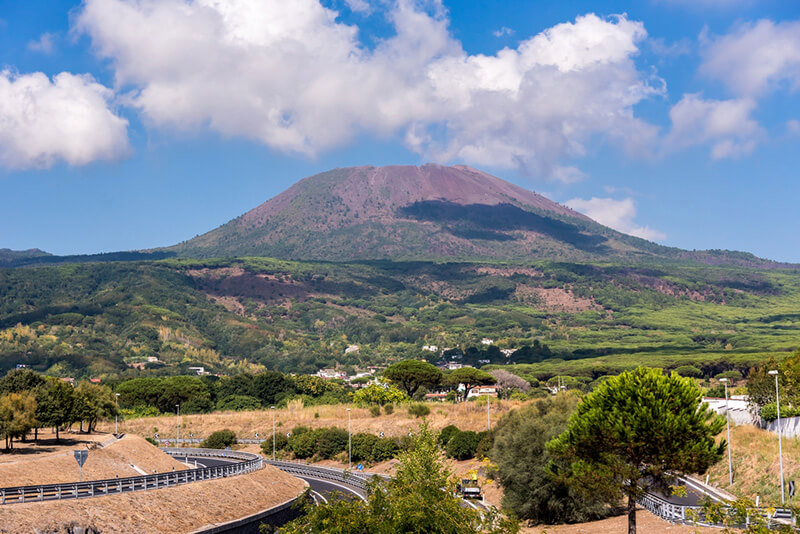
Picture yourself standing before Mount Vesuvius, that magnificent giant rising dramatically above the Bay of Naples in southern Italy—this isn’t just any mountain, fellow adventurers! This sleeping beauty represents both nature’s raw power and a delicate ecosystem that absolutely deserves our thoughtful care. As one of the world’s most thrilling yet dangerous volcanoes, Vesuvius has unleashed eruptions so spectacular they’ve literally reshaped both the landscape and the entire course of regional history. Today, you’ll find the incredible Vesuvius National Park dedicated to preserving this extraordinary natural wonder, striking that perfect balance between heart-pounding adventure and essential conservation.
The park authorities have worked tirelessly to implement smart measures protecting this volcanic paradise and its surroundings from tourism’s impact—and here’s where you come in as a responsible traveller! You play an absolutely crucial role in these conservation efforts by embracing thoughtful tourism practices: sticking to those designated paths (trust us, they’re there for good reason!), keeping the environment pristine by avoiding littering, and showing deep respect for this unique volcanic world. Those main hiking routes, like the fantastic Gran Cono trail, are meticulously maintained to prevent erosion and protect the fragile volcanic terrain that’s taken millennia to form. Your adventure begins at the ticket office, where every visitor must purchase an entry ticket—this regulated access ensures the park’s vital conservation initiatives get the support they desperately need.
To keep both you and this incredible environment safe and sound, the park enforces sensible rules designed to minimise risks while preserving the site’s breathtaking natural beauty. Proper hiking shoes are absolutely essential for tackling those challenging gravelly paths, and bringing plenty of water becomes even more critical during those scorching warmer months when volcanic heat can transform conditions from comfortable to quite demanding! Guided tours, which you can easily book in advance through the official site, offer fascinating insights into the volcano’s geology, captivating history, and remarkable ecosystem. These tours don’t just enhance your safety—they deliver a richer, truly unforgettable experience that lets you fully appreciate the raw power and absolutely mesmerising history of Mount Vesuvius.
Beyond that iconic main crater rim, the national park opens up a world of diverse trails, including the captivating Olivella path—a mesmerising ring route that circles Mount Somma, the area’s highest peak. Each path unveils a completely different chapter of the volcano’s epic story, from ancient lava flows that tell tales of past fury to those jaw-dropping panoramic views of the glittering Bay of Naples stretching endlessly before you. For those fascinated by the broader impact of volcanic eruptions on human civilisation, the archaeological museum in Naples and those haunting ruins of Pompeii offer an incredible window into the ancient world, revealing how a single catastrophic eruption changed the course of history forever.
Getting to Mount Vesuvius couldn’t be more straightforward, fellow explorers! Simply hop on the Circumvesuviana train from Naples to Ercolano Scavi station, then transfer to the convenient Vesuvio Express shuttle bus, which whisks you directly to the car park near the trailhead. From there, the path leads you steadily upward to the crater, where those panoramic views and the absolutely spine-tingling sense of standing literally on the edge of history create moments that are genuinely awe-inspiring. The nearby Vesuvius Observatory provides fascinating additional details on current volcanic activity and the ongoing scientific efforts to monitor this very much active volcano.
By embracing the park’s sensible guidelines and committing to responsible tourism, every single visitor helps ensure that Mount Vesuvius and its remarkable surroundings remain protected and pristine for countless generations to come. Whether you’re hiking determinedly to that dramatic crater rim, exploring those haunting ruins of Pompeii, or learning fascinating facts at the observatory, your visit actively supports the conservation of one of Italy’s most iconic natural treasures—a truly magical place where history, adventure, and nature’s most raw, powerful forces converge to create an experience you’ll treasure forever!
Best Season: May-June and September-October offer ideal temperatures and fewer crowds
Best Time of Day: Arrive early (9:00-10:00) to avoid tour groups and afternoon heat in summer
Avoid: Weekends and Italian holidays when local visitors increase significantly
Golden Hour: The late afternoon light creates dramatic shadows and colours on the crater
Panorama Points: The best full panorama of the Bay of Naples is about halfway around the crater rim
Inside the Crater: Use a polarizing filter to reduce haze when photographing into the crater
Combined Tickets: Consider purchasing combined tickets for Vesuvius and Pompeii (available from most tour operators). Remember to book your entry ticket in advance, especially during peak season, to ensure availability.
Water Sources: There are no water fountains along the trail, so bring sufficient water
Facilities: There are basic toilets and a small shop at the park entrance, but limited facilities on the trail itself
Mobile Coverage: Signal is generally good throughout the park for emergency calls
Pets: Dogs are permitted on leashes, but consider the heat and challenging terrain.
Hiking Mount Vesuvius is more than just a physical journey; it’s a visceral connection to the raw power of nature and the deep history of human civilization. Standing on the rim of this slumbering giant, gazing into its crater while the vibrant city of Naples stretches below, creates a profound perspective on the relationship between mankind and the earth’s geological forces.
The contrast between the barren volcanic landscape and the lush, cultivated slopes – where vineyards produce the distinctive Lacryma Christi wine – speaks to nature’s resilience and humans’ determination to thrive even in the shadow of potential catastrophe.
Whether you’re drawn by geological interest, historical significance, or simply the thrill of conquering an iconic natural landmark, Mount Vesuvius delivers an experience that combines adventure, education, and awe-inspiring beauty. As you descend from the summit, you’ll carry with you not just photographs, but a newfound appreciation for the powerful forces that continue to shape our planet.
For the prepared and respectful visitor, Vesuvius offers a safe yet exhilarating glimpse into the heart of a volcano that has influenced Mediterranean history for millennia – truly an unforgettable adventure in the shadow of Italy’s most famous mountain.