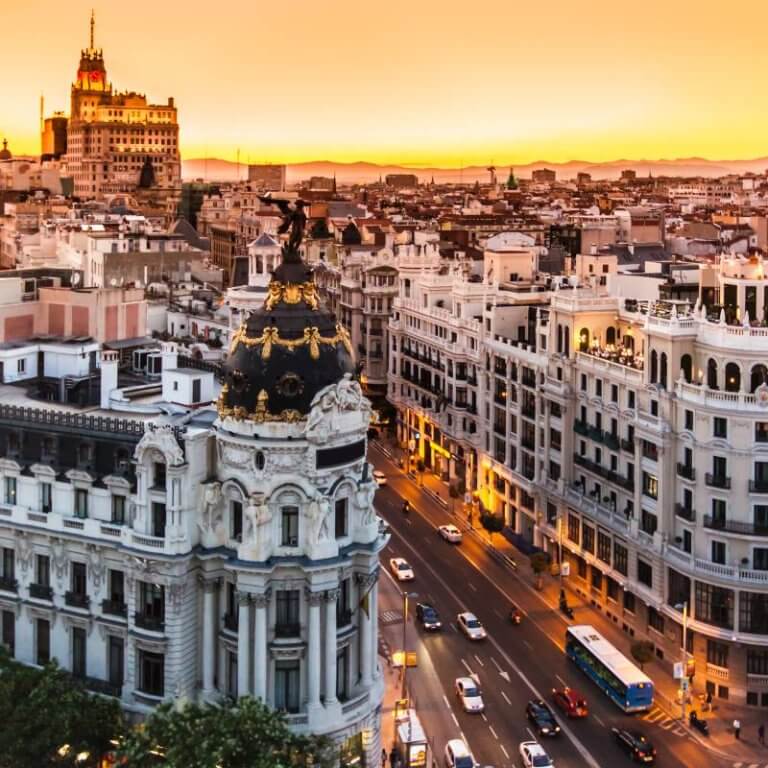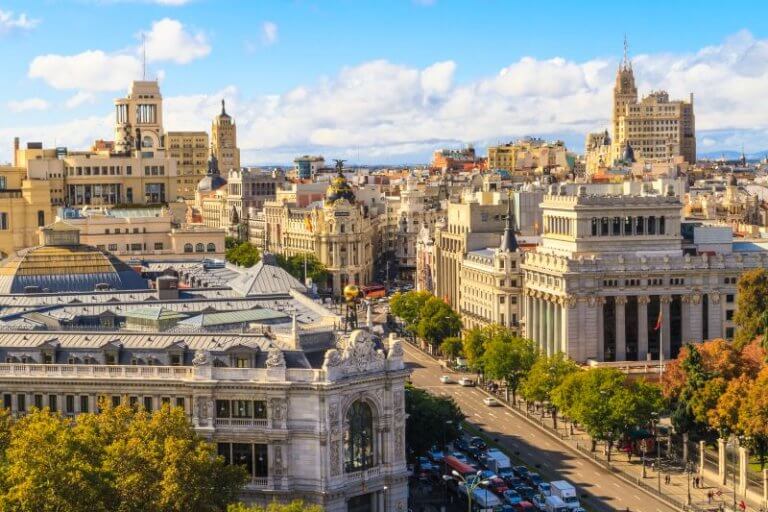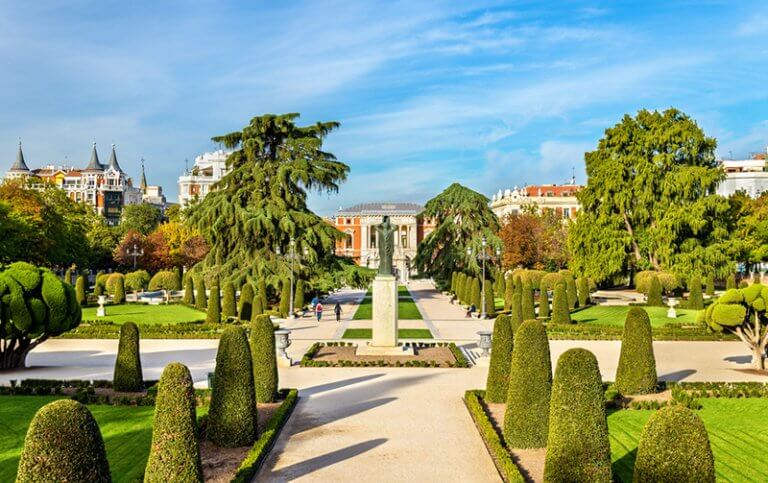
What should I not miss in Madrid? First‑time visitors should focus on the Royal Palace, one major art museum in the Golden Triangle, Plaza Mayor, Mercado de San Miguel, and Retiro Park. These landmarks capture Madrid’s royal history, world‑class art, food culture, and relaxed outdoor lifestyle in a compact city center.
Our approach prioritizes quality over rushed checklists, so you can explore the capital like locals, not just tourists. From the Royal Palace to Retiro Park, these best places let you discover what makes Madrid a great place in Europe—historic buildings, vibrant street life, and world-class art. Get ready to wander busy streets, enjoy tapas, and catch a sunset at hidden gems.
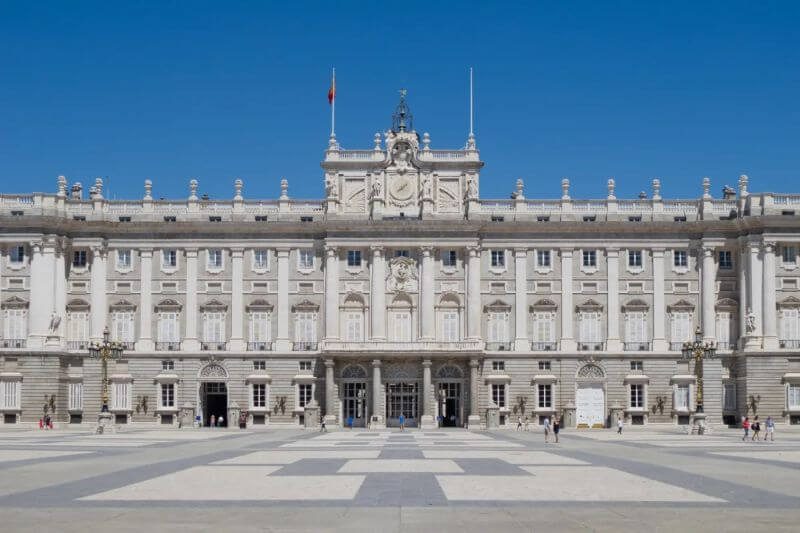
What is Madrid, Spain famous for? Madrid is known for its royal heritage, internationally renowned art museums, vibrant plazas, and a social food culture centered on tapas. Unlike many capitals, its top sights are walkable, blending historic landmarks with everyday local life.
This guide streamlines Madrid’s top 10 highlights into a stress-free plan blending art, royal history, parks, food, and live culture. You’ll choose the right museum in the Golden Triangle, tour the Royal Palace, savor Plaza Mayor and Mercado de San Miguel, and unwind in Retiro Park’s Crystal Palace. Practical tips cover the Metro (Tarjeta Multi and 10-trip pass, plus the airport supplement), timed-entry tickets to skip lines, and finding authentic flamenco in intimate tablaos. A flexible 3-day itinerary groups sights by neighborhood—including Barrio de las Letras and a Temple of Debod sunset—so you see more with less effort.
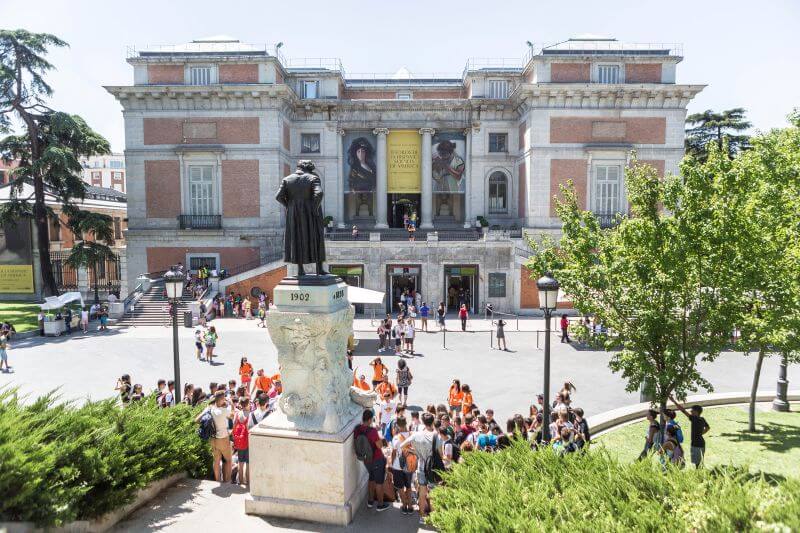
Even with only a mild interest in art, visiting one of Madrid’s world-class museums is an essential experience. The city is famous for its “Golden Triangle of Art”—three incredible museums located just a short walk from one another. You don’t need to be an art historian to pick the right one for you.
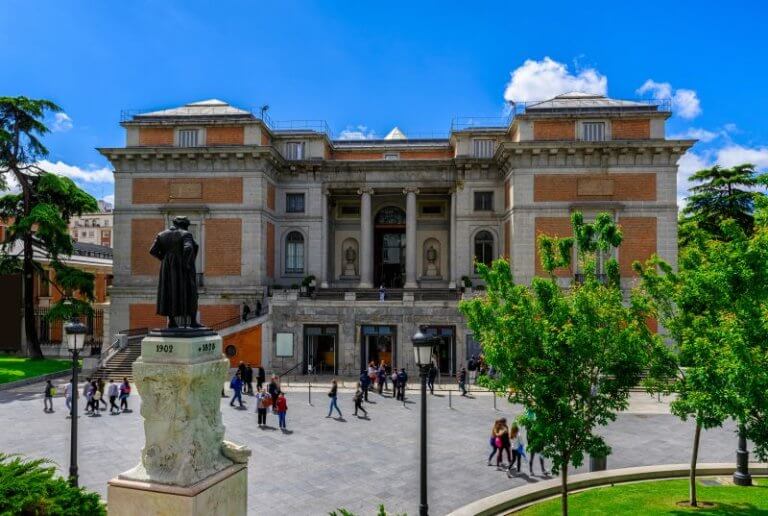
The Prado Museum is the heavyweight champion, home to classic European masters from before the 20th century. If you want to see the works of Spanish legends like Goya and Velázquez, this is your place. Must-See: Diego Velázquez’s Las Meninas, a captivating and complex scene from the Spanish court that has fascinated viewers for centuries.
If your tastes lean more modern, head to the Reina Sofía. This museum showcases contemporary art, with a focus on Spanish artists. Its collection is challenging, thought-provoking, and home to one of the most powerful anti-war paintings ever created. Must-See: Pablo Picasso’s monumental black-and-white masterpiece, Guernica. For a bit of everything, the Thyssen-Bornemisza offers a stunning journey through art history, from the 13th century to the 20th, all in one place.
Travelers on a budget can take advantage of free admission hours at all three museums, usually in the last two hours before closing. The trade-off is that these times are often the most crowded, so you’ll have to navigate a sea of people to see the famous works. For guided tours or calm visits, book timed tickets online.
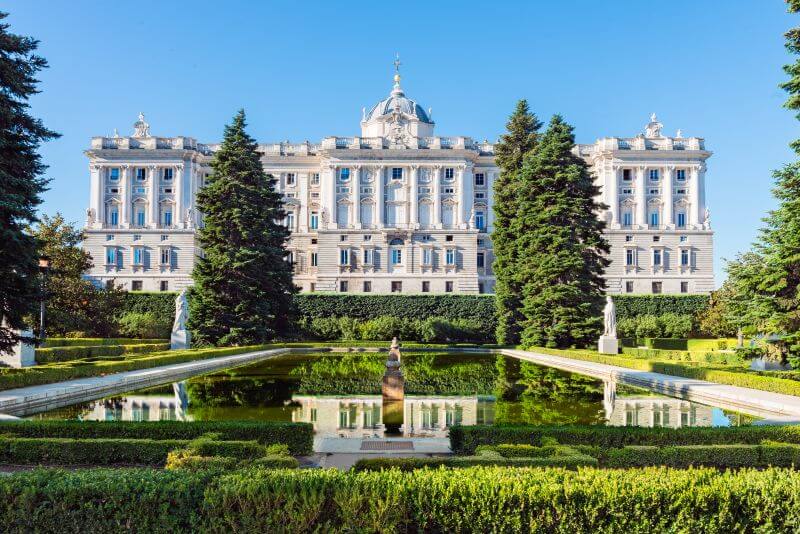
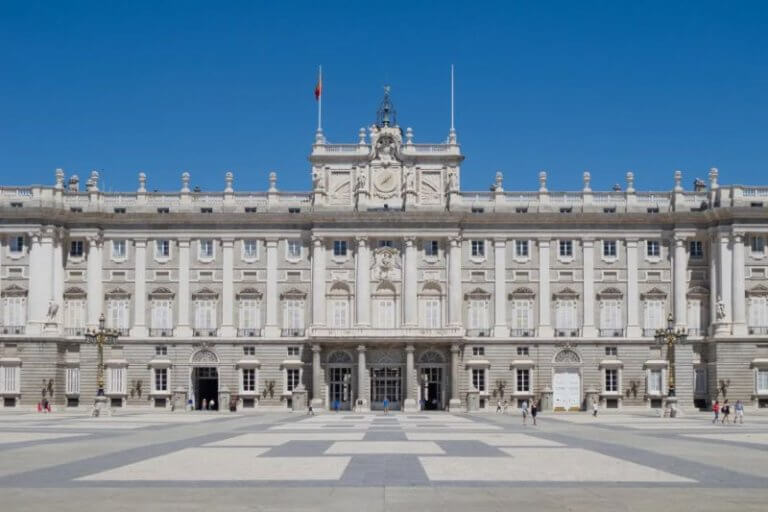
What is the number one attraction in Madrid? For many visitors, the answer is the Royal Palace. Sitting on the western edge of the city center, it is the largest functioning royal palace in Europe and remains the official residence of the Spanish royal family for state ceremonies—making it a must‑see on any Madrid city tour.
This is no dusty museum; it’s Spain’s version of the White House or Buckingham Palace. While the royal family doesn’t live here day-to-day, the palace remains their official residence and is actively used for state ceremonies. This modern function makes visiting feel like a peek inside a living institution, easily one of the top attractions in Madrid city center.
With over 3,000 rooms, it’s smart to focus on the highlights. You won’t want to miss the Throne Room, a jaw-dropping space dripping in red velvet and gold, watched over by four bronze lions. Afterwards, make your way to the Royal Armory. It’s like stepping into a medieval blockbuster, showcasing an incredible collection of personal armor and weapons belonging to Spanish kings, including miniature sets for the royal children and even armor for their horses.
The building’s sheer scale tells the story of Spain’s power. The Madrid Royal Palace is the largest functioning royal palace in Europe by floor area, and its immense stone façade and sprawling courtyards are a testament to centuries of history. From here, you are perfectly positioned to continue your walking tour, as the grand Plaza de la Armería in front of the palace leads directly into the charming, narrow streets of old Madrid.
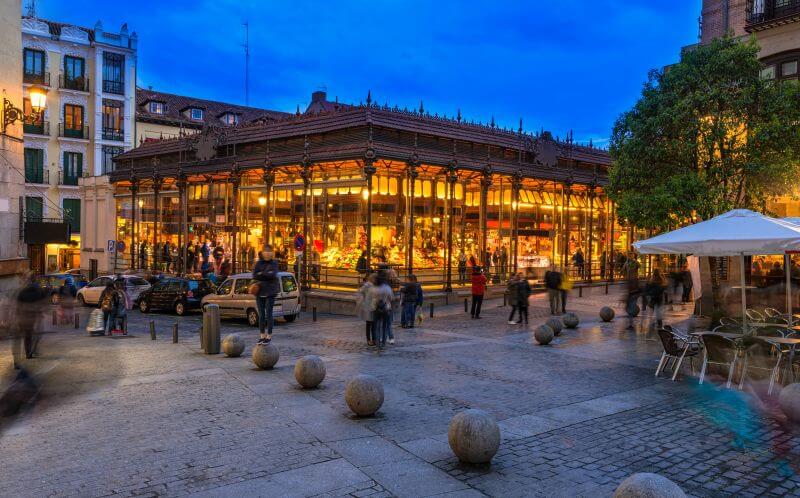
Plaza Mayor & Mercado de San Miguel: The Heartbeat of Old Madrid
Just steps from the Royal Palace, your walking tour leads into the grand, enclosed square of Plaza Mayor. This iconic cobblestone plaza has been the city’s main stage for centuries, hosting everything from royal proclamations and bullfights to street markets and public executions. As you stand in the center, surrounded by historic red-brick buildings, you can feel the layers of history beneath your feet. It’s a fantastic spot for a photo, but its true magic comes from its role as the city’s historic living room.
For a taste of modern Madrid’s culinary scene, head to the stunning glass-and-iron Mercado de San Miguel, located just off the plaza. This isn’t a traditional grocery store but a vibrant gourmet market (mercado ) packed with stalls offering the best food Spain has to offer. The idea here is to embrace the local custom of a tapeo—hopping from one spot to another to sample small bites.
Don’t feel overwhelmed by the choices. A great strategy is to grab one or two items from different vendors. Here are a few must-try bites:
A paper cone of freshly carved jamón ibérico (cured Iberian ham).
A “Gilda” skewer, a classic salty-sour combination of an olive, anchovy, and pickled pepper.
A small glass of vermouth on tap (vermut de grifo).
A quick tip for ordering: A tapa is a small, individual portion, perfect for one person. A ración is a much larger plate meant for sharing with a group. Knowing the difference is key to ordering with confidence.
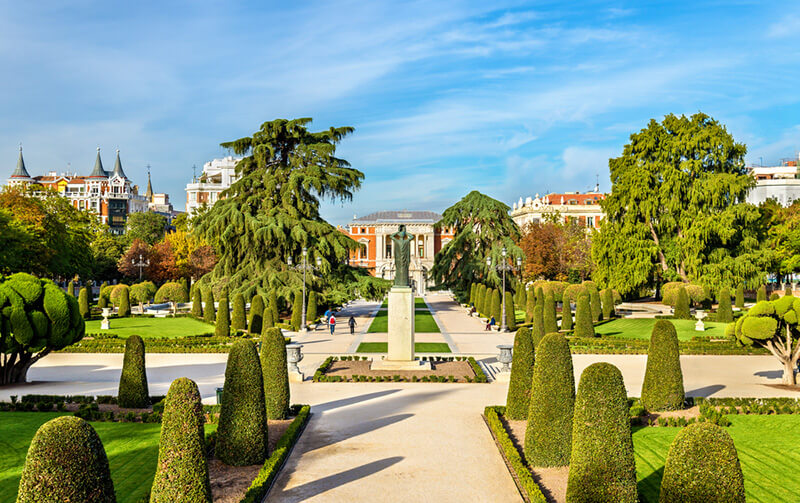
After exploring the bustling Madrid city center , you’ll welcome the green escape of Retiro Park. Often called Madrid’s Central Park, this massive royal oasis is now a public playground. The list of Retiro Park activities goes far beyond a simple walk. For a classic experience, rent a rowboat on the Estanque Grande (Grand Pond) and paddle around the grand monument to King Alfonso XII. It’s the perfect place to slow down and watch Madrid life unfold.
Deep within the park lies its most magical secret: the Palacio de Cristal . This breathtaking structure, built in 1887, is an ethereal palace made almost entirely of glass. Originally designed as a greenhouse, it now hosts free modern art installations. Walking inside as sunlight streams through the glass dome feels like stepping into another world, making it one of the most beautiful and free things to do in Madrid.
For a more unusual discovery, seek out the Fountain of the Fallen Angel. It’s a surprising find in a public park, famous for being one of the only sculptures in the world dedicated to Lucifer at the moment of his expulsion from Heaven. The dramatic statue is a fantastic conversation starter and a testament to the park’s many hidden layers.
In the Rose Garden you will find seasonal blooms. It is the perfect park for fun, cool afternoons watching locals and tourists.
Walking will get you far, but for longer hops, the Metro is the best way to get around Madrid. At the ticket machine, buy a Tarjeta Multi—a physical red card—and load it with a Metrobús 10-trip pass. This combination is almost always more cost-effective than single rides or the pricey tourist pass for most visitors.
Your whole group can share one card. Just tap the card to open the gate for the first person, pass it back, and have the next person tap it again. The system simply deducts a ride for each tap. This simple money-saving trick is perfect for a Madrid 3 day itinerary with family or friends.
The only major exception is the airport. Traveling to or from Madrid-Barajas on the Metro requires an ‘Airport Supplement’. You can buy this from the same machines when you arrive or before you leave, and it works alongside your 10-trip pass.

Nothing drains vacation energy like a long ticket line. The single most important tip for visiting Madrid’s popular sites like the Prado Museum or Royal Palace is to book your tickets online in advance. This lets you walk past the main ticket queue and enter at your designated time, easily saving you an hour or more on a busy day.
You might see “free entry hours” advertised and think you’ve found a great deal. For most visitors, this is a trap. The lines for free entry often start forming an hour or more beforehand, meaning you’ll trade valuable vacation time for the savings. Unless you’re on an extremely tight budget, paying for a timed ticket is almost always the better choice.
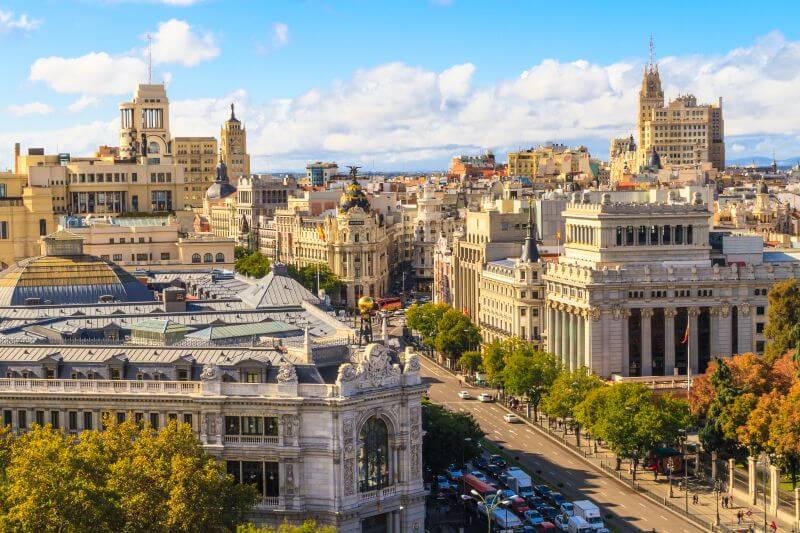
The Madrid City Pass is a convenient all‑in‑one sightseeing pass that bundles entry to several of the capital’s major attractions with practical extras, so you can focus on enjoying the city instead of juggling separate tickets. Typically, the pass includes access to over 20 key sights such as the Royal Palace and skip‑the‑line admission to the Prado Museum, plus a 1‑day hop‑on hop‑off bus tour that links the main neighborhoods and landmarks. Depending on the option you choose, you can also add useful services like public transport or airport transfer, making it easier to move between the historic center, museums, and your accommodation while keeping overall costs predictable.

Seeing a flamenco show is on many visitors’ lists, but it’s easy to end up in a soulless tourist trap. For a truly powerful experience, find a tablao , a small venue designed specifically for flamenco. Unlike a generic restaurant with dancers, a tablao is an intimate space where the art form is the absolute star of the show. The focus is on the raw, emotional performance happening just a few feet away.
The magic you are looking for is called duende . It’s a Spanish term that’s hard to translate, but it means the spirit, passion, and undeniable soul of the performance. You’ll know you’re seeing it when the performers—singer, guitarist, and dancer—are completely absorbed in the moment, feeding off each other’s energy. They aren’t just performing for you; they are sharing a deep, emotional conversation, and you are privileged to witness it.
When you find a great tablao, be prepared for an intense experience. Real flamenco isn’t just pretty dancing; it’s filled with heart-wrenching singing, explosive footwork, and cries of emotion. The audience often falls into a hushed, reverent silence, which is the highest form of respect. This isn’t just entertainment; it’s a powerful window into the Spanish spirit.
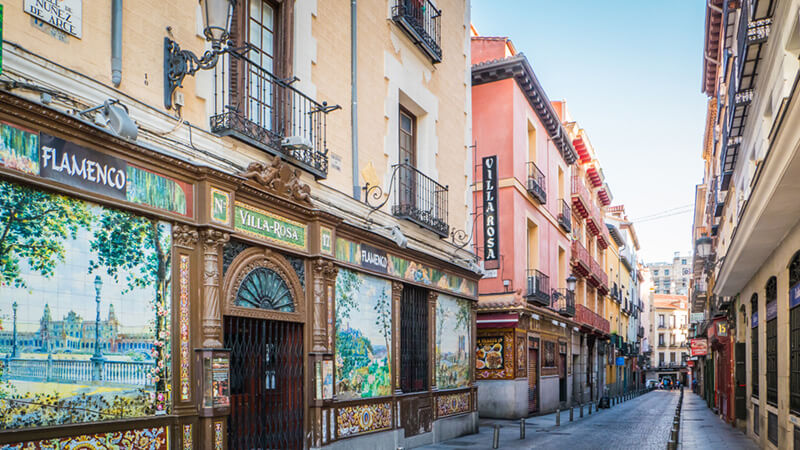
Just a stone’s throw from the Prado lies one of the best neighborhoods to explore in Madrid: the Barrio de las Letras, or Literary Quarter. This is where Spain’s greatest writers lived and worked during the country’s 16th and 17th-century Golden Age. The neighborhood’s charming, narrow streets are mostly pedestrian-only, making it perfect for a quiet, atmospheric stroll.
What makes this area truly special is hidden in plain sight. As you walk, look down at the pavement to discover golden plaques embedded in the cobblestones, engraved with famous literary quotes from giants who once called these streets home. This includes Miguel de Cervantes, author of Don Quixote, who lived and was buried in this neighborhood. The quotes turn a simple walk into a fun historical treasure hunt.
Today, the creative atmosphere continues. The quarter is filled with a delightful mix of traditional taverns, independent boutiques, and artisan workshops. It’s an ideal spot to soak up Madrid’s bohemian side, stop for a glass of vermouth, and find a unique souvenir. It feels less like a tourist hub and more like a genuine slice of old Madrid.
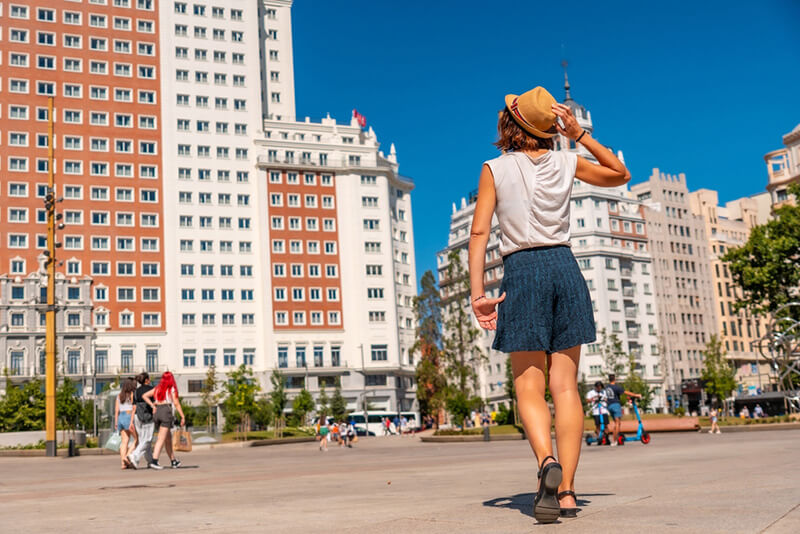
Yes—three days is the ideal amount of time to experience Madrid without rushing. With attractions grouped by neighborhood, you can explore the Golden Triangle of Art, tour the Royal Palace, enjoy Plaza Mayor and Mercado de San Miguel, and still relax in Retiro Park or watch the sunset at the Temple of Debod.
This sightseeing plan groups top attractions by neighborhood, mixing intense visits with relaxing strolls to give you a feel for the city’s rhythm.
Day 1: Art & Parks: Start your morning at the Prado Museum. In the afternoon, walk to nearby Retiro Park to row a boat on the lake and see the Crystal Palace.
Day 2: Royalty & History: Explore the Royal Palace in the morning, then head to the historic Plaza Mayor and the vibrant Mercado de San Miguel for lunch.
Day 3: Culture & Sunset: Wander the literary streets of Barrio de las Letras, then visit the Reina Sofía Museum. End your day watching a memorable sunset at the Temple of Debod.
Bonus: El Rastro flea market (Sundays), rooftop bars, Casa de Campo.
Consider this your blueprint for discovery, not a rigid checklist. You now have the framework to experience the city on your own terms, lingering in a plaza or swapping an afternoon to follow your curiosity. All that’s left is to go and enjoy the incredible energy of Madrid. ¡Buen viaje!