First Time Visit to Paris: A Practical, Honest Guide for Visitors
Essential tips and insights to help first-time visitors navigate, enjoy, and fall in love with the City of Light
Tom Miller
Hello there, fellow travellers!
Paris has a way of living up to its reputation – and still surprising you. For a first time visitor, the city can feel vast, busy, and intensely beautiful all at once. With a little context and a relaxed approach, visiting Paris quickly becomes less about ticking off sights and more about finding your own rhythm in one of the world’s great cities.
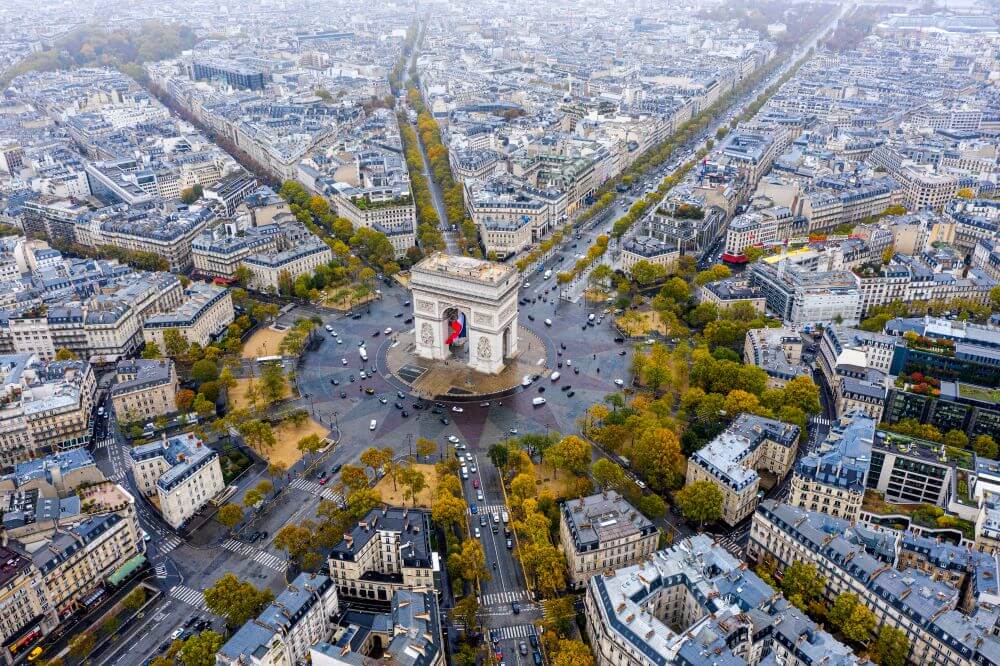
Marvel at the Arc de Triomphe's spectacular star formation
Paris at First Glance: What to Expect
A first time visit to Paris often comes with sky‑high expectations, and that’s not a bad thing. Paris is a beautiful city, but it’s also a big city with real neighbourhoods, daily routines, and its own pace of life. Understanding this early helps first time visitors enjoy the experience rather than feeling rushed.
Paris is broken up into different neighborhoods called arrondissements. The 1st arrondissement is considered the heart of Paris, making it a popular choice for first-time visitors.
Paris sits within clearly defined Paris city limits, and what looks compact on a map can take time to cross in reality. For many travellers, a first trip to Paris becomes a great introduction not just to the city itself, but to European city travel in general – often turning a single Paris trip into the start of many return visits. The city’s famous tourist attractions, such as its museums and landmarks, are major draws for visitors and can be explored with various passes.
Did you know? Many visitors think Paris is smaller than it actually is. Crossing central Paris on foot can easily take more than an hour, depending on where you start and finish.
Exploring Paris made easy with your digital city pass
Understanding Paris: Left Bank, Right Bank & Beyond
One of the simplest ways to make sense of Paris is to understand its geography. The Seine River cuts through the city, dividing it into the left bank and the right bank. Each side has its own personality, and neither is better – they’re simply different.
The right bank is home to many of the city’s most famous sights and shopping areas, while the left bank is often associated with universities, bookshops, and a slower, more residential feel. Neighbourhoods like Le Marais blend historic architecture with modern life, while the Latin Quarter remains lively and intellectual. Notable buildings such as the Musée d’Orsay, which was once a train station and is renowned for its architectural significance, add to the city’s unique character. Île St Louis, set quietly in the middle of the river, feels almost village‑like despite its central Paris location.
Much of Paris is worth walking, especially once you step just off the beaten path. Cobblestone streets, local bakeries, and small squares often appear when you least expect them.
The Big Names: Paris’s Iconic Sights
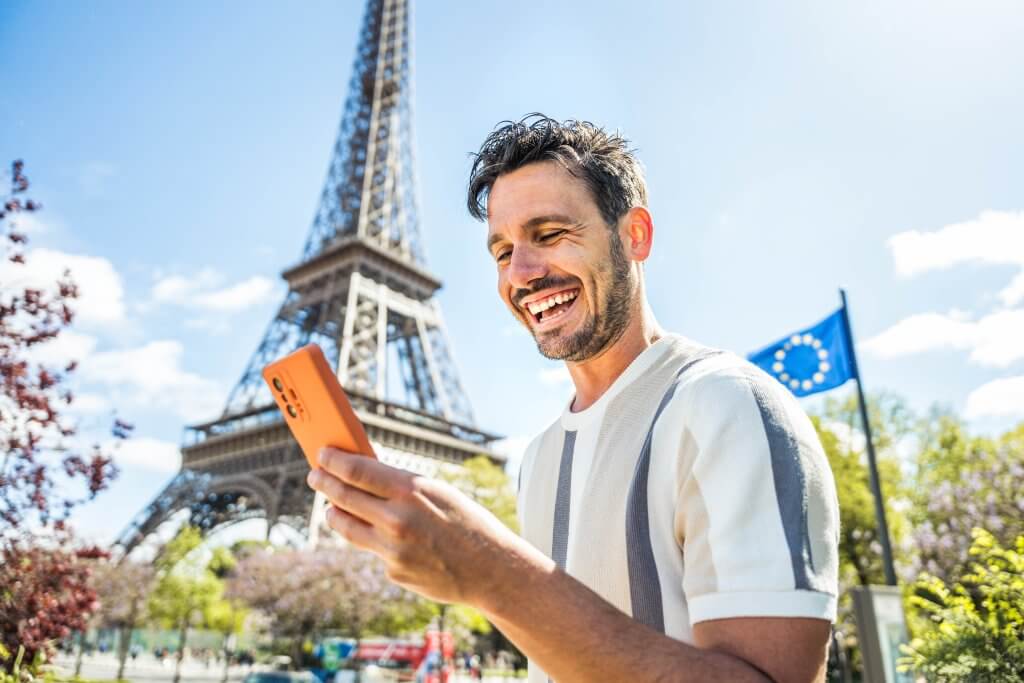
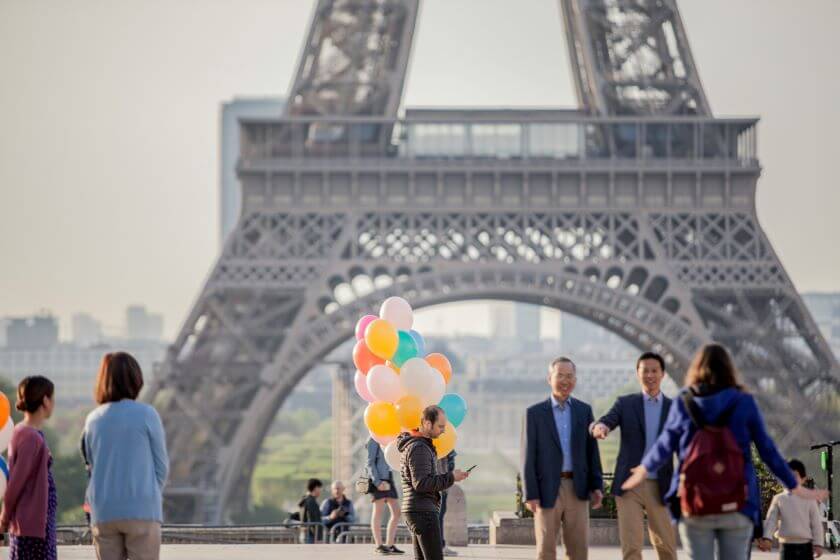
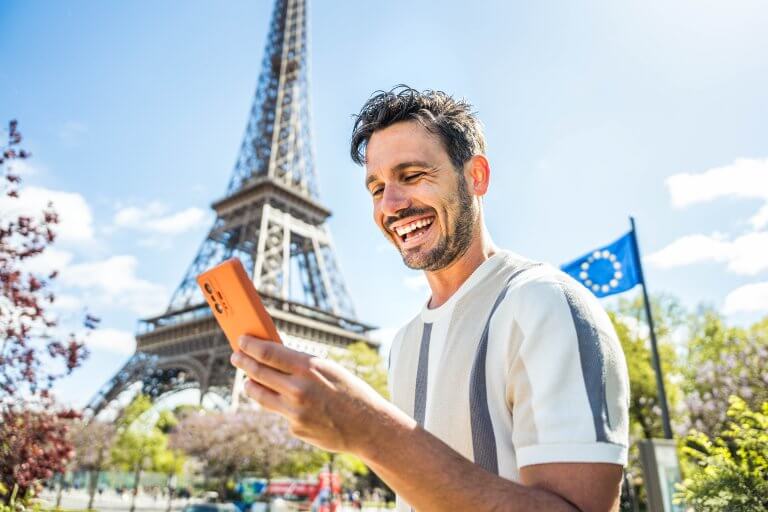
Your first glimpse of the Eiffel Tower – an unforgettable moment
No first trip to Paris feels complete without seeing the landmarks that made the city famous. The Eiffel Tower dominates the skyline, the Louvre Museum draws art lovers from around the world, and the Mona Lisa remains its most talked‑about resident.
Other main attractions – including the Arc de Triomphe, Notre Dame Cathedral, and walks along the Seine River – provide a sense of Paris’s history and scale. Add stops at the Palais Royal, Luxembourg Gardens, Jardin du Luxembourg, the Rodin Museum, or even the Moulin Rouge, and you begin to see how varied the city really is.
These popular tourist sites are spread across Paris, so planning routes rather than individual stops helps make sightseeing more enjoyable.
Did you know? The Louvre Museum is so large that seeing everything would take several days. Most visitors focus on highlights and still leave with plenty left for a next trip.
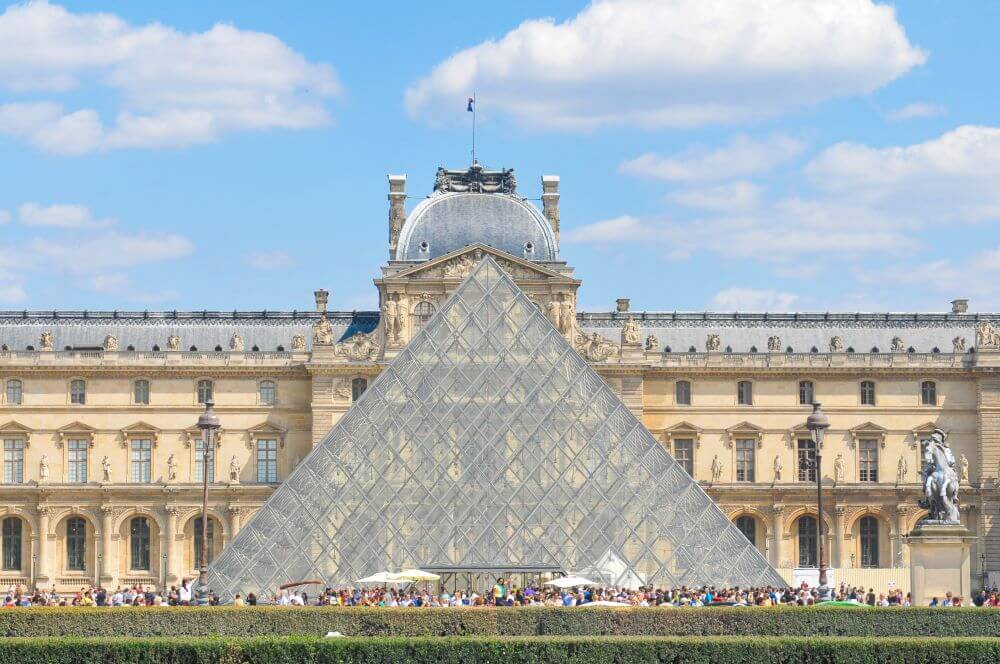
Standing before the world-famous Louvre pyramid
Museums, Culture & Smart Timing
Paris rewards travellers who plan museum visits thoughtfully. High season brings longer opening hours but also security lines and long lines, particularly at major institutions. Many travellers plan visits around the first Sunday or first Friday of the month, when some museums offer free entry.
Booking tickets in advance can save significant time, especially for a first trip. A guided tour led by an experienced tour guide – often in a small group – can add clarity and context, particularly in large museums. Compared with places like the British Museum, Paris’s cultural density is remarkable, with world‑class collections spread throughout the city.
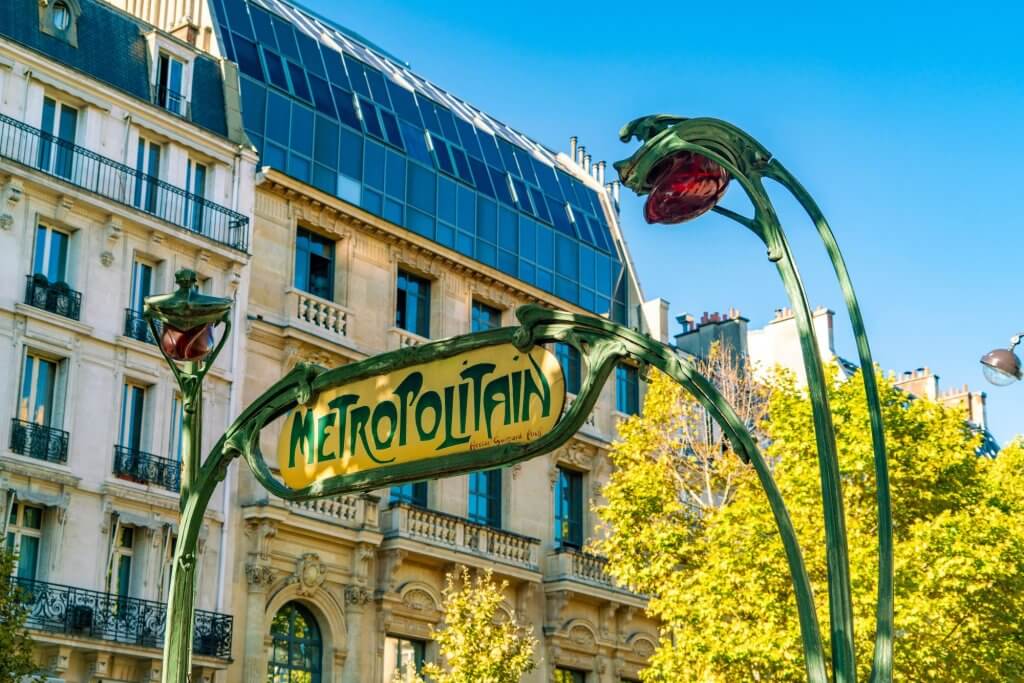
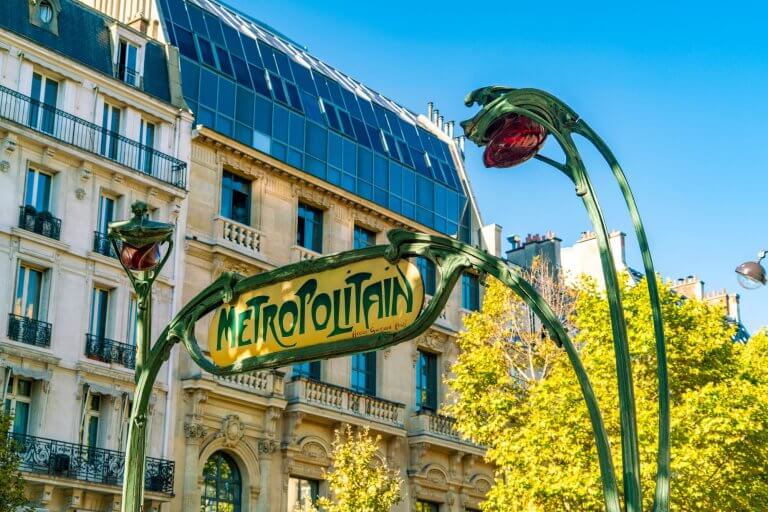
Journey through Paris on the charming Métro network
Getting Around Paris Without Stress
The Paris Métro is an affordable way to get around the city. Public transportation makes Paris surprisingly manageable, even for first time visitors. The metro stations are frequent and well connected, and understanding how each metro line works quickly builds confidence. You can buy metro tickets in a pack of 10, known as a carnet, and you should keep your ticket until you reach your final destination as proof of valid payment. Travel at off-peak times to avoid crowded trains on the metro.
RER trains are useful for reaching destinations beyond the city centre, including major train stations and airports. Public transportation in Paris also includes buses and trams, which are more accessible than the metro for those with mobility issues.
A Navigo Easy Pass simplifies travel across several locations, while timing journeys outside rush hour makes a noticeable difference. Even so, some trips still take about an hour – something worth factoring into daily plans.
You can rent a city bike from over 1,000 Vélib stations, with 20,000 bikes available across Paris. Rideshare options like Bolt and Uber are also available if you prefer not to use public transit or bikes.
Google Maps can help you navigate around the city efficiently. Always keep an eye on your belongings while using public transportation in Paris due to the risk of pickpocketing.
Did you know? Paris’s metro system is one of the densest in the world. In central Paris, there’s often a station just a few minutes’ walk away.
Taste your first authentic French croissant – pure bliss
Eating Well: Food, Cafés & Local Rituals
Paris’s food culture isn’t just about restaurants – it’s about everyday habits. French cuisine appears in many forms, from simple lunches to carefully prepared dinners, while French pastries are part of daily life rather than a special treat.
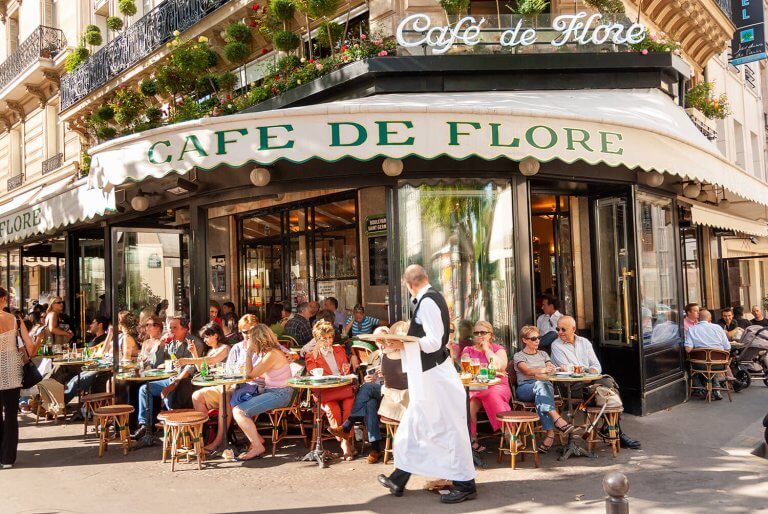
Many travellers enjoy starting mornings in favourite coffee shops, sitting among green chairs in public gardens, and taking time to people watch. It’s easy to become a big fan of Parisian food culture, especially with the variety of French pastries and charming local cafés. Experiences such as a food tour, market tour, or cooking class offer a deeper look into how Parisians eat and socialise. Slowing down for meals is one of the easiest ways to enjoy Paris.
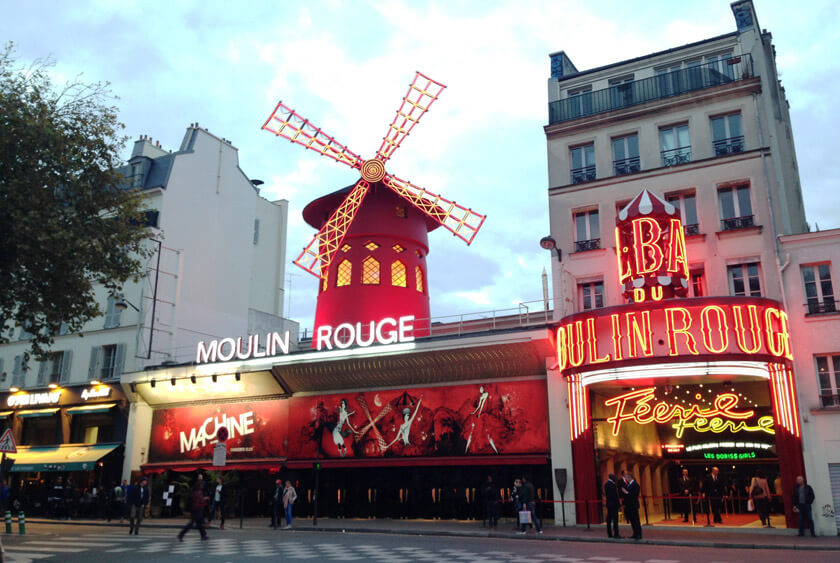
The legendary Moulin Rouge cabaret in Montmartre
Language: Do You Need to Speak French?
Worrying about language is common before visiting Paris, but it rarely becomes a real problem. Many people speak English, particularly in tourist areas, hotels, and museums. Still, making an effort to speak French – even a few French words or French phrases – is appreciated.
Starting interactions politely, asking “parlez vous anglais,” and finishing with “au revoir” sets a friendly tone. Many visitors become big fans of the language and culture, and it’s easy to see why people quickly say they love Paris.
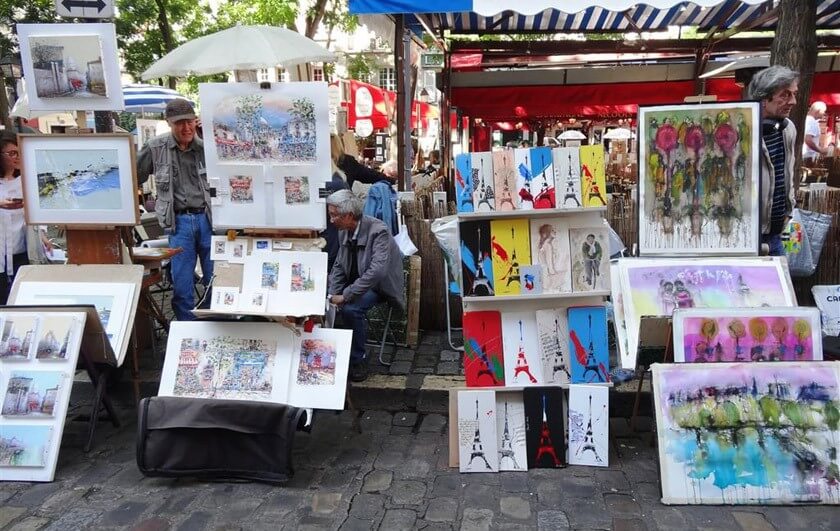
Discover local artists' treasures at a Parisian market
Planning Days, Tours & Day Trips
A well‑balanced first trip mixes structure with flexibility. Walking tours are an excellent way to get oriented, while a guided tour with a knowledgeable tour guide can add depth to historic areas. Paris also works well as a base for a day trip, including destinations such as Disneyland Paris.
Shaping Your Visit: City Passes for Different Travel Styles
For many first time visitors, one of the biggest sources of stress when visiting Paris is managing tickets – deciding what to see, where to book tickets, and how much time to allow for each attraction. City passes such as the Paris City Pass or the Paris Essentials Pass can help shape a Paris trip around individual preferences, whether the focus is on major sights, museums, or a relaxed mix of experiences. Having access bundled in one place reduces the need to queue at multiple ticket offices or book tickets across different platforms, making it easier to stay flexible and focus on the experience rather than logistics. For travellers who like clarity and simplicity, a City Pass can be a useful way to enjoy Paris with less planning pressure.
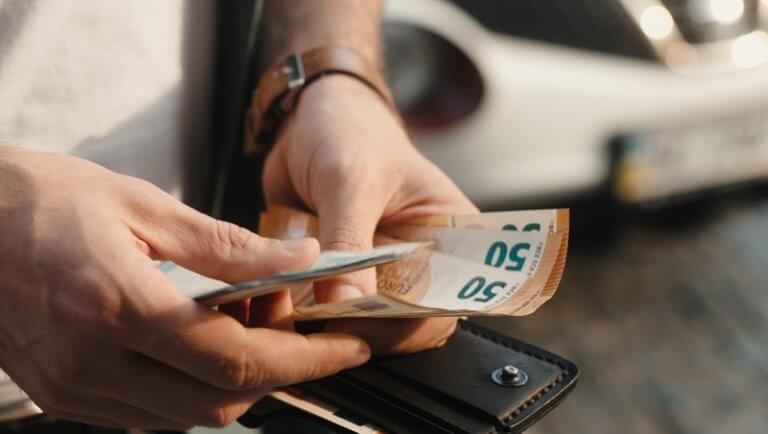
Costs in Paris vary widely, and budgeting depends on priorities. Many places accept Apple Pay and contactless payments, making daily spending simple. Mixing paid attractions with free experiences helps keep a Paris trip balanced.
Whether $1000 is enough for a week in Paris depends on accommodation choices, dining habits, and expectations – but careful planning makes many styles of trip possible.
Local Etiquette: What Not to Do
Knowing what not to do in Paris as a tourist often comes down to awareness. Avoid busy public transportation during rush hour when possible, respect café culture, and don’t rush interactions. Taking time to observe and people watch often teaches more than any guidebook.
Leaving Paris (and Wanting to Return)
A first trip to Paris rarely feels like enough – and that’s part of its charm. Slowing down, choosing experiences carefully, and allowing space for spontaneity helps visitors truly enjoy Paris. Many travellers leave already planning their next trip, carrying a quiet certainty that this won’t be their last time in the city.
Step into the breathtaking beauty of Versailles' gardens
Final Thoughts: Your First Paris Trip, Your Way
Paris rewards curiosity more than perfection. A first trip doesn’t need to cover everything, and it certainly doesn’t need to look like anyone else’s. What matters is finding a rhythm that suits you – whether that means museum mornings, long lunches, neighbourhood walks, or simply sitting by the Seine with no plan at all.
If there’s one thing worth remembering, it’s that Paris is not a checklist. It’s a city to be experienced in layers. Some moments will feel iconic, others completely ordinary – and often it’s the ordinary ones that stay with you longest. Leave space for those.
Plan enough to feel confident, stay flexible enough to be surprised, and trust that you’ll never see it all on your first trip – which is exactly why coming back feels so inevitable.